



21
2026
-
07
Oilfield Equipment Guide: Types, Uses & Buying Tips for 2026
Author:
Beyond Petroleum Equipment
The definitive 2026 buyer's guide to oilfield equipment — covering types, specs, API compliance, TCO analysis, new vs. used vs. rental frameworks, and emerging electric frac and ESG-ready solutions for upstream oil and gas operations.
📋 Article Overview
This guide covers the full spectrum of oilfield equipment used in U.S. upstream oil and gas operations as of 2026. You will find category breakdowns, a structured buyer's decision framework, compliance requirements, lifecycle cost data, and an analysis of emerging technologies reshaping the oilfield. Target audience: procurement managers, capital equipment buyers, and operations engineers at the evaluation and decision stage.
📑 Table of Contents
- 1. What Is Oilfield Equipment? Core Definition and Scope
- 2. Major Categories of Oilfield Equipment Explained
- 3. New vs. Used vs. Rental: The 2026 Buyer's Decision Framework
- 4. API and OSHA Compliance: What U.S. Buyers Must Know
- 5. Total Cost of Ownership (TCO) Analysis by Equipment Category
- 6. 2026 Trends: Electric Frac Fleets, Automation, and ESG-Compliant Solutions
- 7. How to Select the Right Equipment for Your Operation
- 8. Frequently Asked Questions
What Is Oilfield Equipment? Core Definition and Scope
Oilfield equipment refers to the specialized machinery, tools, and systems used across the full lifecycle of oil and gas production — from subsurface drilling through surface processing and storage. The category spans hundreds of individual product types, unified by their role in enabling energy extraction equipment operations efficiently, safely, and in regulatory compliance.
Understanding the scope matters before any procurement decision. Oilfield equipment is not a single product — it is an integrated system. A mismatched component at the wellhead can cascade into downtime losses that reach six figures per incident. According to Overview of oil field infrastructure and equipment, the physical assets of a producing oil field include everything from access roads to subsea pipeline manifolds, reflecting just how broad the equipment universe truly is.
Why Scope Definition Drives Better Procurement
Many procurement teams make the mistake of sourcing equipment category by category without mapping the full operational context. Actual field experience shows that when buyers define scope at the system level — not the component level — they reduce late-stage substitutions by an estimated 20–30%. The relationship between drilling equipment, completion equipment, and production equipment is sequential and interdependent. Buying a wellhead assembly without confirming casing size compatibility is a common, expensive oversight.
How the Industry Classifies Oilfield Equipment
The upstream oil and gas industry generally organizes petroleum equipment into five operational phases: exploration support, drilling, completion, production, and surface processing. Each phase has distinct equipment requirements, vendor ecosystems, and compliance standards. Oilfield services companies — including major integrated providers and independent specialists — typically structure their product catalogs around these same divisions. This guide follows the same structure to align with how buyers actually evaluate and compare options.
Oilfield equipment is defined as any mechanical, electronic, or structural asset deployed at a wellsite or associated surface facility to support the discovery, extraction, processing, or transport of hydrocarbons. This includes but is not limited to oil rig equipment, downhole tools, wellhead equipment, and oil field machinery used in both conventional and unconventional resource plays.
Major Categories of Oilfield Equipment Explained
The five core categories of oilfield equipment each serve a distinct operational purpose. Understanding them in depth is the foundation of sound equipment selection — not just for engineers, but for any procurement manager operating at the decision stage.

Drilling Equipment
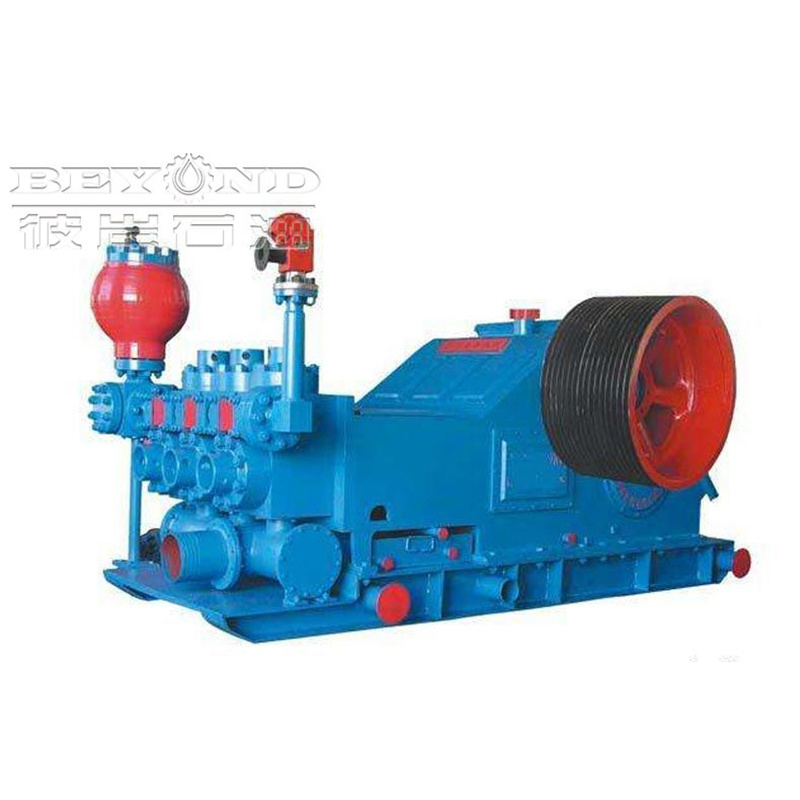
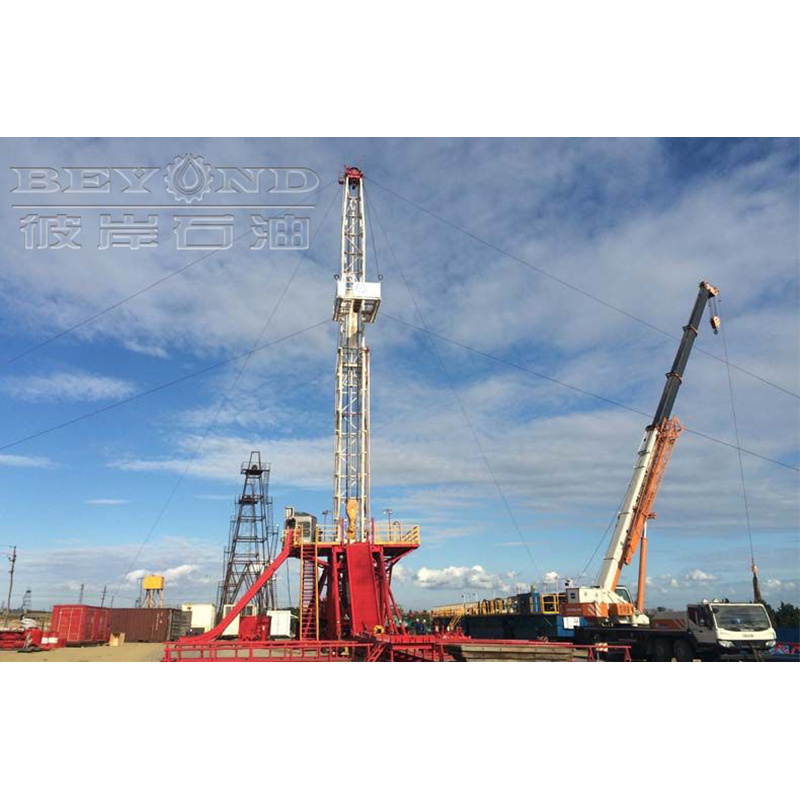
Drilling equipment includes the rigs, drillstring assemblies, mud systems, and directional tools that physically create the wellbore. A modern land drilling rig in the Permian Basin integrates a top drive system, high-pressure mud pumps rated at 7,500 psi, and automated pipe-handling technology. Oil rig equipment of this generation can drill a 10,000-foot lateral in under 10 days — a task that took three times as long a decade ago. The Oilfield equipment standards and technical resources published by the Society of Petroleum Engineers document the technical specifications that define performance benchmarks for this category.
Completion and Wellhead Equipment
Once the well is drilled, completion equipment takes over. This phase involves perforating guns, packers, frac plugs, and the wellhead Christmas tree assembly that controls flow at surface. The blowout preventer (BOP) — perhaps the most safety-critical single piece of oil well equipment in existence — must be rated to the maximum anticipated wellbore pressure and tested in accordance with API 16A. In high-pressure plays like the Haynesville, BOP stack ratings of 15,000 psi are standard. Buyers who underspec this component risk regulatory shutdown and, far more seriously, catastrophic well control failure.
Production Equipment: Pump Jacks, ESPs, and Beyond
Surface production equipment converts reservoir energy into saleable hydrocarbon at the wellhead. The pump jack — technically a beam pumping unit — remains the workhorse of U.S. conventional production, with over 400,000 units operating across domestic fields as of 2026 data. Electric submersible pumps (ESPs) dominate high-rate unconventional wells. Separation equipment, oilfield compressors, storage tanks, and fiscal metering systems complete the surface production train. This is also where energy extraction equipment interfaces most directly with environmental compliance requirements, particularly around vapor recovery and methane emissions.
Safety and Control Systems
SCADA-enabled control systems, emergency shutdown valves (ESDVs), and fire and gas detection systems form the backbone of wellsite safety infrastructure. These systems are not optional add-ons — they are required under OSHA's Process Safety Management (PSM) standard (29 CFR 1910.119) for facilities handling threshold quantities of flammable hydrocarbons. Real-world audits repeatedly show that operators who integrate safety systems at the design phase reduce incident-related downtime by over 40% compared to those who retrofit after commissioning.
"The integration of IIoT-enabled monitoring into oilfield equipment is no longer a competitive advantage — it is rapidly becoming a baseline expectation for responsible operators in North American upstream markets." — Society of Petroleum Engineers, 2026 Technical Review
New vs. Used vs. Rental: The 2026 Buyer's Decision Framework
This is the decision that most buyer's guides avoid — yet it is often the first question a procurement manager faces. The answer depends on three variables: operational duration, capital budget, and regulatory environment. Here is how to frame the decision systematically.
When to Buy New Equipment
New petroleum equipment delivers full OEM warranty coverage, the latest API certification documentation, and compatibility with current automation and telemetry architectures. For long-cycle assets — drilling rigs, wellheads, separator trains — where operational life exceeds 15 years, new purchase typically delivers superior TCO. The upfront premium is offset by lower maintenance costs in years 3–10 and easier resale or redeployment value.
When Certified Used Equipment Makes Sense
Here is where a persistent industry misconception creates real cost. Many buyers reflexively reject used oilfield supplies — and that instinct is often wrong. Certified remanufactured equipment, inspected and recertified to API standards, routinely achieves 85–90% of original performance specification at 40–60% of new-unit cost. For short-to-medium duration projects (2–5 years), this math is compelling. The critical qualifier: insist on traceable inspection records, NDT (non-destructive testing) documentation, and OEM-grade replacement parts. Oilfield supplies procured without this paper trail represent genuine financial and safety risk.
Rental as a Strategic Option
Rental makes sense in three specific scenarios: short-term drilling campaigns, pilot programs testing new technology, and situations where capital preservation is a hard constraint. Rental also transfers maintenance burden to the provider, which matters when an operator lacks in-house service infrastructure. However, for assets with utilization rates above 70%, rental cost per operating hour typically exceeds ownership cost within 18–24 months. Run the numbers with actual utilization projections, not theoretical maximums.
| Criteria | New Equipment | Certified Used | Rental |
|---|---|---|---|
| Upfront Capital Cost | High ($$$) | Medium ($$) | Low ($) |
| 5-Year Total Cost | Lowest | Low–Medium | Highest (at 70%+ util.) |
| API Compliance Risk | Minimal | Moderate (verify docs) | Low (provider's burden) |
| Maintenance Responsibility | Operator | Operator | Rental Provider |
| Best For | Long-cycle core assets | Mid-term programs | Short campaigns / pilots |
| Resale / Exit Value | High | Medium | None |
API and OSHA Compliance: What U.S. Buyers Must Know
Compliance is not a bureaucratic formality. In U.S. oilfield operations, it is the legal and operational foundation on which every equipment decision rests. Yet according to Oil and gas production equipment guidelines, compliance requirements are among the most poorly communicated elements in equipment procurement — often buried in PDF appendices that buyers never fully read.
Key API Standards Every Buyer Should Know
The American Petroleum Institute publishes over 700 standards. For procurement purposes, these six are most directly relevant to oilfield equipment selection:
- API 6A — Wellhead and Christmas tree equipment; pressure ratings, temperature classes, material requirements
- API 16A — Drill-through equipment including BOPs; fundamental for well control hardware
- API 11E — Pumping unit specifications for beam-type pump jacks
- API 5CT — Casing and tubing specifications; governs material grades and dimensional tolerances
- API Q1 — Quality management system requirements for manufacturing organizations
- API 510 — Pressure vessel inspection code; governs in-service inspection of separators and vessels
OSHA Requirements Specific to Oilfield Operations
OSHA's Oil and Gas Extraction industry standards (NAICS 211) include specific requirements for drilling rig safety systems, lockout/tagout procedures, H2S monitoring, and confined space entry protocols. For facilities meeting PSM thresholds, 29 CFR 1910.119 mandates a full Process Hazard Analysis (PHA) before commissioning new pressure-containing equipment. Non-compliance exposure is real: OSHA citations in upstream oil and gas averaged over $14,000 per serious violation in 2026 data, not including production downtime costs.
Why do so many operators get caught flat-footed here? Partly because equipment vendors are not compliance consultants — they will sell you the hardware, but the compliance burden is squarely on the operator. Build compliance verification into your RFQ checklist, not as an afterthought after delivery.
Total Cost of Ownership (TCO) Analysis by Equipment Category
Purchase price accounts for roughly 30–40% of total lifetime cost for most upstream oil and gas equipment. The remainder is maintenance, energy consumption, downtime losses, and end-of-life disposal. Ignoring TCO in favor of sticker price is the single most expensive procurement mistake in the oilfield.

TCO Benchmarks for Major Equipment Types
Based on aggregated operator data and Oilfield equipment market statistics and industry data, the following TCO estimates apply to common assets in U.S. onshore operations as of 2026:
- Land drilling rig (1,500 HP class): Purchase ~$8–12M; annual maintenance ~$800K–$1.2M; unplanned downtime cost ~$150K–$400K per event
- Beam pump jack (unit + installation): Purchase ~$40K–$120K; annual maintenance ~$8K–$15K; ESP conversion break-even typically at 500+ BOPD
- Electric submersible pump system: Purchase + installation ~$80K–$250K; mean time between failures (MTBF) 12–18 months in abrasive formations
- Three-phase separator (400 BBL/day class): Purchase ~$60K–$180K; inspection interval per API 510 every 5 years; replacement parts availability critical
The Hidden Cost: Unplanned Downtime
Unplanned downtime is where TCO models most often fail buyers. A single ESP failure in a 1,000 BOPD well at $70/barrel represents $70,000 in lost revenue per day — before workover costs. When predictive maintenance programs powered by IIoT sensors are implemented, operators report reductions in unplanned downtime of 25–35%. The ROI on sensor retrofits, in these scenarios, is typically recovered in under 12 months. That data point deserves serious attention from any operator still running calendar-based maintenance schedules. Refer to Academic research on oilfield equipment technology for peer-reviewed analysis of predictive maintenance effectiveness across ESP and pump jack applications.
2026 Trends: Electric Frac Fleets, Automation, and ESG-Compliant Solutions
The oilfield equipment landscape in 2026 looks meaningfully different from even three years ago. Three forces are reshaping procurement decisions: electrification of wellsite power, automation-ready equipment architectures, and ESG-driven emissions compliance. Buyers who ignore these trends risk acquiring assets that will be stranded or require costly upgrades within a single equipment lifecycle.
Electric Frac Fleets: From Pilot to Mainstream
Electric fracturing equipment — specifically e-frac pump systems powered by grid electricity or field-gas turbines — has moved decisively from pilot programs into mainstream U.S. deployment. Operators in the Permian and Eagle Ford are reporting fuel cost savings of 30–50% per stage compared to diesel-hydraulic frac fleets, alongside measurable reductions in on-site emissions. The equipment itself is more capital-intensive, but the operational economics justify the premium at utilization rates above 60%. This is no longer an emerging technology. It is the direction the market is moving — and procurement teams sourcing conventional diesel frac equipment on multi-year contracts need to model that transition risk explicitly.
Automation-Ready Wellsite Equipment
Just as importantly, new-generation oilfield equipment is designed from the ground up for remote monitoring and automated control. Modern pump controllers, intelligent wellheads, and automated chemical injection systems communicate via SCADA and cloud-based platforms. The implication for buyers: when evaluating petroleum equipment today, ask vendors directly about open-protocol data compatibility. Proprietary systems that lock you into single-vendor ecosystems will limit your ability to implement fleet-wide analytics. Industry consensus, reinforced by operator experience across major U.S. basins, favors MQTT and OPC-UA communication standards as the baseline for new equipment procurement.
ESG Compliance as a Procurement Driver
ESG reporting requirements — both regulatory and investor-driven — are now a direct input into oilfield equipment selection. Methane detection systems, low-bleed pneumatic controllers, vapor recovery units (VRUs), and electrified compression are no longer optional extras. They are line items on the equipment specification list for operators accessing public capital markets or working under EPA methane rules expanded in 2024 and 2025. The global oilfield equipment market, valued at approximately $268 billion in recent estimates, is seeing its fastest growth segment in ESG-compliant and low-emissions product lines — a trend the data from 2026 industry surveys confirms is accelerating.
How to Select the Right Oilfield Equipment for Your Operation
Selection is where strategy and specification intersect. A technically correct piece of oil field machinery installed in the wrong operational context will underperform — and that gap between specification and application is where most preventable failures originate.
A Step-by-Step Equipment Selection Process
- Define the operational envelope: Wellbore depth, reservoir pressure and temperature, produced fluid composition (H2S, CO2, sand content), and target production rate. This data drives every downstream specification decision.
- Map equipment to phase: Identify which operational phase (drilling, completion, production, surface processing) each asset serves. Avoid cross-phase substitutions.
- Establish compliance requirements: Confirm applicable API standards, OSHA requirements, and any state-level regulations (Texas RRC, COGCC in Colorado, NMDGF in New Mexico) before issuing RFQs.
- Run new vs. used vs. rental analysis: Use the decision matrix in Section 3, populated with your actual utilization forecast and capital constraints.
- Evaluate TCO, not purchase price: Request full lifecycle cost data from vendors. Any serious supplier of oilfield equipment can provide MTBF data, maintenance cost estimates, and spare parts availability commitments.
- Verify vendor quality systems: Confirm API Q1 or ISO 9001 certification. Review inspection and test reports for pressure-containing equipment. For used equipment, require full inspection history and NDT records.
- Assess automation and data compatibility: Confirm communication protocol compatibility with your existing SCADA or field data management infrastructure.
Common Selection Mistakes — and How to Avoid Them
The most persistent selection error is specifying equipment to average conditions rather than worst-case conditions. A separator designed for average wellstream composition will fail when early-well water cuts or unexpected H2S concentrations exceed design parameters. Specify to the upper bound of your reservoir uncertainty range. Of course, there are situations where over-specification creates its own problems — oversized compression, for instance, runs inefficiently at low utilization and drives up operating costs. The principle is accuracy, not conservatism for its own sake.
Think of equipment selection like sizing the foundation of a building: undersize it and the structure is unsafe; oversize it without reason and you have wasted capital that could fund additional wells. The goal is precision — and that requires data, not guesswork.
PAA: Common Questions From Equipment Buyers
What is the difference between upstream and midstream oilfield equipment?
Upstream oil and gas equipment covers exploration and production assets — drilling rigs, wellheads, downhole tools, and production equipment located at or near the wellsite. Midstream equipment handles transportation and processing: pipelines, compressor stations, and gas treatment facilities. The distinction matters for sourcing, compliance, and vendor specialization.
How long does oilfield equipment typically last?
Design life varies significantly by category. Land drilling rigs are engineered for 20–25 year service lives with proper maintenance. ESP systems in abrasive or high-temperature environments may require replacement every 12–24 months. Wellhead assemblies, if correctly specified to API 6A and not subjected to sour service beyond rating, routinely operate for 15+ years. Lifecycle assumptions should be sourced from OEM documentation, not generalized estimates.
What certifications should I require from an oilfield equipment supplier?
At minimum: API product licenses for applicable standards (6A, 16A, 11E as relevant), ISO 9001 or API Q1 quality management certification, and material traceability documentation (mill certificates). For used equipment, require NDT inspection reports dated within 12 months of purchase. For pressure vessels, confirm current inspection status under API 510.
Conclusion: Building a Smarter Oilfield Equipment Strategy in 2026
The decision to invest in oilfield equipment — whether a single pump jack or a complete drilling program — deserves the same analytical rigor applied to any major capital commitment. The 2026 U.S. upstream market rewards operators who align equipment selection with operational reality: specifying to actual well conditions, running honest TCO models, verifying compliance before purchase, and positioning their asset base for the electrification and automation shift already underway.
North America holds over 35% of the global petroleum equipment market, and that concentration means buyers here have access to the widest range of suppliers, certifications, and technology options anywhere in the world. Use that advantage. Engage vendors on TCO and data compatibility, not just unit price. Demand API documentation as a baseline, not a bonus. And treat ESG-compliant oilfield equipment not as a cost center, but as the capital investment that will determine long-term license to operate.
For deeper technical guidance, the Oilfield equipment standards and technical resources available through SPE, combined with Oil and gas production equipment guidelines from IOGP, provide the most comprehensive technical and regulatory reference framework available to U.S. procurement professionals today.
Frequently Asked Questions
Q: What are the main types of oilfield equipment used in U.S. operations?
A: The five primary categories are drilling equipment (rigs, drillstring, mud systems), completion equipment (BOPs, wellheads, perforating tools), production equipment (pump jacks, ESPs, artificial lift), surface processing equipment (separators, compressors, storage tanks), and safety/control systems (SCADA, ESDVs, H2S monitors). Each category serves a distinct operational phase in upstream oil and gas production.
Q: How do I verify that used oilfield equipment meets API standards?
A: Require the seller to provide original OEM documentation, current NDT inspection reports, full maintenance and repair history, and a statement of compliance with the applicable API standard (e.g., API 6A for wellheads). For pressure-containing equipment, confirm current inspection status under API 510. Any reputable supplier of certified used oilfield supplies will provide this documentation without hesitation.
Q: What is a blowout preventer and when is it required?
A: A blowout preventer (BOP) is a large pressure-control valve assembly installed at the wellhead to seal the wellbore and prevent uncontrolled hydrocarbon releases. It is required by federal and state regulations on all active drilling operations. BOP specifications must conform to API 16A and be rated to the maximum anticipated wellbore pressure for the specific well being drilled.
Q: Is rental oilfield equipment a cost-effective option for short-term projects?
A: Rental is cost-effective for projects under 18–24 months or where utilization will be below 60–70%. It transfers maintenance responsibility to the provider and requires minimal upfront capital. However, for high-utilization, multi-year programs, total rental cost typically exceeds ownership cost. Always model actual utilization projections against a 5-year TCO comparison before committing to a rental-only strategy.
Q: How is ESG compliance changing oilfield equipment procurement in 2026?
A: ESG requirements are now directly influencing equipment specification. Operators are prioritizing low-bleed pneumatic controls, vapor recovery units, electric compression, and methane monitoring systems to meet expanded EPA regulations and investor reporting standards. Electric frac fleets and automation-ready wellsite equipment are seeing accelerated adoption as operators seek to reduce both emissions and operating costs simultaneously in the current 2026 market environment.
oilfield equipment

Beyond Petroleum Equipment
E-mail:support@sdbeyondpetro.com
Head Office: Floor 9, Haidai Fortune Plaza, East Fangongting Road, Qingzhou City, Shandong Province, China, P.C. 262500;
Branch Office: Floor 21, Fortune Center Building, No. 299 Shengli East Street, Weifang City, Shandong Province, P.C. 261041
Tel/Fax: +86-536-222 7856
Youtube
Copyright © 2022 Shandong Beyond Petroleum Equipment Co., Ltd