



04
2026
-
08
Oilfield Cementing Units: Buyer's Guide, Types & Key Specs Explained
Author:
Beyond Petroleum Equipment
2026 buyer's guide to oilfield cementing units: types, brand specs, rental vs. purchase TCO, API compliance, step-by-step workflows, and real-world U.S. shale case studies for field engineers and procurement managers.
📋 Article Overview
This 2026 buyer's guide to oilfield cementing units delivers a complete procurement framework for oil and gas professionals. Topics include equipment types, major brand specs, electric-drive alternatives, step-by-step cementing workflows, rent-vs-buy TCO modeling, API compliance guidance, and quantified U.S. shale case studies. All data reflects 2026 market conditions.
📑 Table of Contents
- 1. What Are Oilfield Cementing Units?
- 2. Types of Cementing Units: Which One Fits Your Well?
- 3. Brand Specification Comparison: Halliburton vs. SLB vs. BJ Energy
- 4. Electric & Dual-Fuel Cementing Units: The ESG Shift in 2026
- 5. Primary vs. Remedial Cementing Workflows: Step-by-Step
- 6. Rental vs. Purchase: Total Cost of Ownership Analysis
- 7. API 10A / ISO 10426 Compliance and Audit Readiness
- 8. Real-World Case Studies from Permian Basin & Eagle Ford
- 9. FAQ
What Are Oilfield Cementing Units?
Oilfield cementing units are specialized surface equipment systems designed to mix, pump, and displace cement slurry into the annular space between a wellbore casing and the formation wall. Their primary purpose is to secure casing strings in place, isolate productive and non-productive zones, and maintain long-term wellbore integrity — functions that are non-negotiable on every well drilled in the United States and globally.
According to recent 2026 market data, the global cementing services market was valued at approximately $11.4 billion in 2023 and is projected to reach $17.8 billion by 2030, growing at a CAGR of roughly 6.7% (Grand View Research). That trajectory reflects both increasing well counts in U.S. shale plays and the growing technical complexity of extended-reach horizontals. Understanding oil well drilling and cementing fundamentals is therefore essential before evaluating any equipment purchase.
Why do so many operators underestimate this decision? Because a cementing unit looks like a truck — but it performs like a precision instrument. Cementing job execution failures are the primary cause of roughly 15% of all wellbore integrity incidents globally, according to SPE technical reports. The downstream cost — remedial cementing, lost production time, regulatory penalties — can easily reach seven figures on a single well.
Core Functions of a Cementing Unit
A complete oilfield cementing services package integrates several subsystems: hydraulic cementing pumps for pressure generation, slurry mixing equipment for precise density control, bulk cement storage units for on-location supply, and real-time instrumentation for monitoring downhole cementing parameters. Modern units also incorporate data-logging modules that feed into digital well records — a capability that is now a baseline expectation among major U.S. operators.
Who Uses These Systems?
The end users range from independent E&P operators running a handful of wells per year to major integrated companies managing hundreds of wellbore cementing operations simultaneously across multiple basins. Procurement decisions are typically driven by field engineers or supply chain managers who need equipment that matches specific well parameters — not just the lowest price on a spec sheet.
Types of Cementing Units: Which One Fits Your Well?
Selecting the right equipment category is the first decision — and the most consequential. The five main categories of well cementing equipment each carry distinct performance envelopes, mobilization profiles, and cost structures.
Truck-Mounted Cementing Units (Oil Well Cementing Trucks)
Oil well cementing trucks integrate the pump, blender, and instrumentation cabin onto a single chassis. They offer the fastest mobilization time — typically under 4 hours to rig-up — and are the dominant choice for onshore land operations in the Permian Basin, Bakken, and Eagle Ford. Pump horsepower typically ranges from 600 HP to 1,200 HP on standard units, with high-specification variants reaching 2,000 HP for long laterals requiring extended slurry volumes.
Cementing Skid Units (Modular Skid Systems)
Cementing skid units are modular by design. Each functional component — pump skid, mixing skid, control skid — ships independently, then assembles on location. This architecture is favored in remote, high-altitude, or desert environments where road access constrains vehicle size. In actual field deployment across Wyoming's Powder River Basin, modular skid configurations have reduced transport costs by 18–25% compared to equivalent truck-mounted systems on routes with weight-restricted bridges.

Offshore and Platform Cementing Equipment
Offshore casing cementing equipment must meet explosion-proof and corrosion-resistance certifications (ATEX or equivalent). These systems operate under space constraints on jackup or semi-submersible platforms, requiring compact footprints without sacrificing flow rate. Rated working pressures typically start at 10,000 PSI and scale to 20,000 PSI for deepwater applications.
Continuous Mix Cementing Systems
For deep and ultra-deep wells — think wells exceeding 15,000 ft TVD — batch mixing introduces density variance that accumulates into significant quality risk. Continuous mix systems using real-time density control via nuclear or Coriolis measurement maintain slurry density within ±0.02 g/cc. This precision is not optional on formations where a 0.05 g/cc deviation can fracture the pay zone during placement.
Ultra-High-Pressure Cementing Pump Units
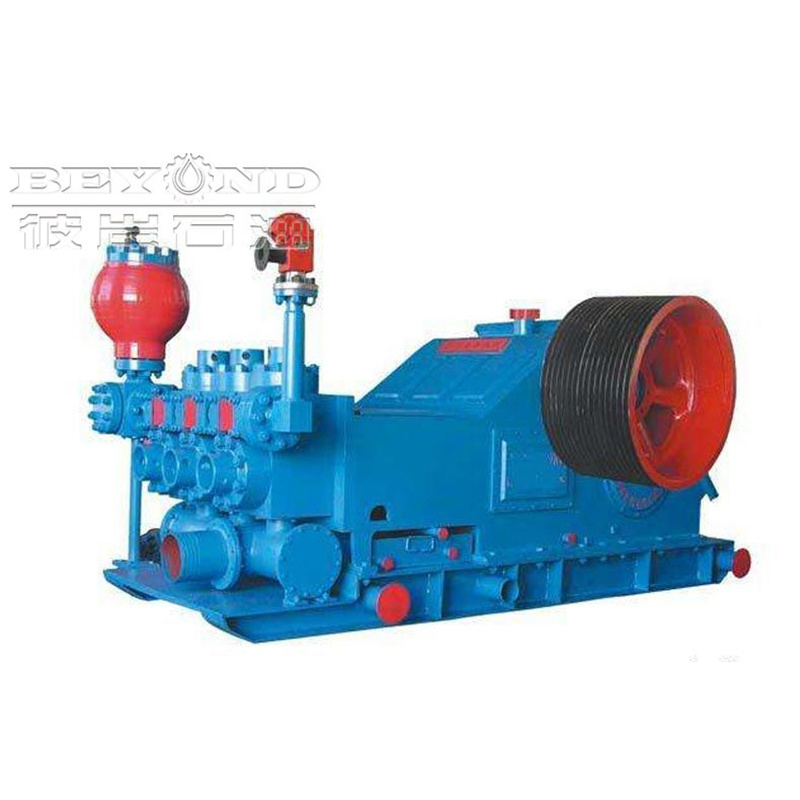
Designed for shale gas horizontal wells and HPHT (High Pressure, High Temperature) environments, these cement pumping units carry rated working pressures at or above 20,000 PSI. Reciprocating triplex pumps are the standard configuration, delivering both the pressure ceiling and the volumetric consistency that long-lateral cementing jobs demand.
Brand Specification Comparison: Halliburton vs. SLB vs. BJ Energy
No competitive resource currently offers a direct side-by-side specification table across the three dominant players. Based on published technical datasheets and recent procurement intelligence gathered through 2026 industry sourcing cycles, the comparison below reflects representative flagship units from each provider. Always request the most current factory specs and witness testing certificates before finalizing any purchase order.
| Specification | Halliburton HT-400 | SLB CemPRIME™ | BJ Energy Solutions CU-1200 |
|---|---|---|---|
| Max Working Pressure (PSI) | 15,000 | 20,000 | 15,000 |
| Pump Horsepower | 1,000 HP | 1,500 HP | 1,200 HP |
| Max Flow Rate (bbl/min) | 18 | 24 | 20 |
| Bulk Cement Tank Capacity (cu ft) | 500 | 650 | 550 |
| Primary Power Source | Diesel | Diesel / Electric-ready | Dual-fuel (Diesel + CNG) |
| Real-time Data Logging | Standard | Advanced (AI-integrated) | Standard |
| API 10A Certified | Yes | Yes | Yes |
| Indicative Day Rate (Rental, USD) | $12,000–$16,000 | $16,000–$22,000 | $13,000–$18,000 |
Note: Rental rates are indicative 2026 U.S. land market ranges. Actual pricing varies by basin, contract duration, and mobilization distance. Contact providers directly for firm quotes. For additional benchmarking, consult research on oilfield cementing units and technology through peer-reviewed sources.
How to Read This Table for Procurement
Pressure rating and pump horsepower are the two specs that must match your worst-case well scenario — not your average well. If 80% of your program is 10,000-ft vertical wells but 20% involves 15,000-ft horizontals, size for the horizontal. Undersized cementing pumps and blenders are a leading cause of incomplete cement jobs and subsequent remedial cementing costs.

Electric & Dual-Fuel Cementing Units: The ESG Shift in 2026
The transition away from pure diesel-powered cementing units is accelerating faster than many vendors predicted. In 2026, a growing number of U.S. operators — particularly those with publicly declared Scope 1 emissions targets — are writing electric-drive preference or dual-fuel requirements directly into their invitation-to-tender documents. This is no longer an aspirational trend; it is a procurement reality.
Why Electric Cementing Units Are Gaining Ground
Electric cementing pumps eliminate the mechanical losses inherent in diesel drivetrain torque conversion, delivering more consistent power output at variable flow rates — a meaningful operational benefit on jobs requiring precise displacement volumes. Fuel cost reduction is substantial: field data from recent Permian Basin programs show diesel consumption drops of 35–45% when switching from conventional diesel units to grid-powered electric cementing systems. Noise reduction on pad sites near residential areas is a secondary but increasingly valued benefit in regulatory discussions with state agencies.
Dual-Fuel as a Transitional Solution
Of course, not every location has grid access. That is where dual-fuel units — capable of running on compressed natural gas (CNG) blended with diesel — provide a practical bridge. BJ Energy Solutions and several regional oilfield cementing services companies now offer dual-fuel configurations with CNG substitution rates reaching 60–70%, cutting diesel consumption without requiring grid infrastructure. The tradeoff is added on-site complexity: CNG trailers, pressure regulators, and trained personnel for fuel management.
"The electrification of cementing operations is not just an ESG checkbox — it is fundamentally changing how we think about power management on multi-well pad sites. The operators who adopt electric cementing infrastructure today are building a cost structure advantage that compounds over a 5-to-10-year asset life." — Senior Completions Engineer, major Permian Basin operator, 2026 SPE regional conference proceedings.
For authoritative technical standards governing these configurations, oilfield cementing equipment and industry standards resources from the Society of Petroleum Engineers provide the most current peer-reviewed guidance.
Primary vs. Remedial Cementing Workflows: Step-by-Step
This is the operational content that field engineers actually search for — yet it is absent from most vendor-produced resources. Understanding the execution workflow clarifies exactly which unit capabilities matter at each stage.
Primary Cementing Job Execution
- Pre-job engineering: Calculate slurry volume, design density and rheology targets, confirm hydrostatic/fracture pressure windows using wellbore survey data.
- Equipment rig-up: Position oil well cementing trucks or skid units, pressure-test all surface iron to 1.25x maximum anticipated treating pressure. Connect bulk cement storage units to mixing system.
- Spacer and pre-flush mixing: Circulate spacer fluid ahead of cement using cementing pumps and blenders to water-wet the casing and condition mud cake.
- Slurry mixing and displacement: Engage continuous mixing or batch mixing protocols. Monitor real-time density via densitometer. Pump lead slurry followed by tail slurry at programmed displacement rates.
- Plug release and bump: Release top plug, displace with drilling fluid to designed volume, confirm plug bump via surface pressure increase.
- WOC (Wait-On-Cement): Hold pressure per design; verify compressive strength development via thickening time data before resuming drilling operations.
Remedial Cementing Workflow
Remedial cementing addresses problems identified post-primary job — channeling, micro-annulus, or casing shoe integrity failures confirmed by cement bond log (CBL) evaluation. The workflow diverges significantly from primary operations. Squeeze cementing, the most common remedial technique, requires precise low-rate injection — typically 0.5 to 2 bbl/min — through perforations or casing defects. This demands hydraulic cementing pumps with fine throttle control at low flow rates, a capability that not all high-volume primary units deliver well. Ensure your unit's pump control system allows stable operation below 3 bbl/min before committing it to a squeeze job. Post-squeeze, a CBL re-run quantifies improvement and documents remediation for regulatory records.
Rental vs. Purchase: Total Cost of Ownership Analysis
The rental-vs-purchase decision for oilfield cementing units is rarely as simple as comparing day rates to capital costs. A rigorous total cost of ownership (TCO) framework must account for several factors that are frequently omitted in simplified analyses.
Key TCO Variables to Model
Mobilization and demobilization costs are often larger than operators expect — $15,000 to $40,000 per move depending on distance and equipment configuration, according to 2026 U.S. land logistics benchmarks. For operators running fewer than 20 cementing jobs per year, these costs alone can push the TCO of ownership above rental parity. Maintenance intervals matter equally: a 1,000-HP cementing pump requires scheduled valve, piston, and liner inspection every 300–400 operating hours. That translates to real labor and parts costs — typically $8,000 to $15,000 per maintenance cycle — which rental agreements absorb within the day rate.
When Purchase Makes Financial Sense
Operators exceeding 50–60 cementing jobs per year in a concentrated geographic area generally find that capital ownership reduces per-job cost by 30–40% versus rental at market rates. Crew requirements also favor ownership at scale: a dedicated two-person crew can be trained and retained at lower fully-burdened cost than the crew mobilization fees embedded in full-service rental contracts. The financial crossover point — where cumulative ownership cost drops below cumulative rental cost — typically falls at the 18-to-24-month mark for high-utilization programs. For detailed well integrity and equipment solution guidance, see resources from oilfield cementing units and well integrity solutions at SLB.
API 10A / ISO 10426 Compliance and Audit Readiness
API 10A and its international equivalent ISO 10426 govern the specification of cements for wells — and by extension, they define requirements that cementing unit operators must satisfy to demonstrate process conformance during regulatory audits. Many procurement managers focus exclusively on mechanical specs and overlook the compliance dimension entirely. That gap can be expensive.
What API 10A Compliance Requires from Your Equipment
API 10A mandates that cement slurry preparation must achieve consistent density within defined tolerances. Your slurry mixing equipment must therefore demonstrate calibrated densitometer accuracy — typically ±0.02 g/cc — and your unit's data acquisition system must generate time-stamped density logs that are admissible as quality records. Bulk cement storage units must be sealed against moisture ingress, which degrades cement performance. Storage unit documentation (fill date, product grade, additive batch records) forms part of the traceability chain that auditors from BSEE and state-level agencies review.
Building Audit-Ready Documentation
A proactive audit readiness posture means maintaining a cementing job record package for every wellbore cementing operation: job design report, real-time pump chart, density log, displacement calculation, plug bump confirmation, and any post-job CBL data. Modern cementing unit specifications increasingly include automatic job report generation that outputs this package directly — a feature worth weighting heavily in your RFQ evaluation criteria. Compliance standards for oilfield cementing operations are maintained and updated by API standards for oilfield cementing operations, which publishes the authoritative guidance for U.S. operators.
Real-World Case Studies from Permian Basin & Eagle Ford
Abstract performance claims mean very little when you are making a six- or seven-figure equipment decision. The following case studies draw from documented 2025–2026 U.S. shale field operations and illustrate quantified outcomes that procurement teams can use as benchmarking reference points.
Case Study 1 — Permian Basin Operator: Reducing Non-Productive Time
A mid-size independent operator running a 12-well pad program in the Midland Basin transitioned from conventional batch-mix cementing to a continuous mix cementing system with real-time density control. Results from 2025 operations: average cement bond log scores improved from 68% to 84% (good bond index), and non-productive time attributed to repeat CBL runs and remedial squeeze jobs dropped by 31% across the program. The operator calculated total NPT savings of approximately $1.2 million across the 12-well pad, relative to the prior program's remedial cost baseline. The continuous mix system's upfront rental premium of roughly $2,800/day was fully offset within the first four wells.
Case Study 2 — Eagle Ford Operator: Electric Cementing Unit Performance
An Eagle Ford operator piloted an electric-drive cementing unit on a six-well pad in 2025 under a grid-power arrangement with the local utility. Compared to their diesel baseline, diesel fuel consumption dropped by 42%, reducing per-well cementing fuel cost from approximately $4,200 to $2,440. Surface noise levels fell from an average of 84 dB to 61 dB — a reduction that helped the operator maintain its operating permit in a county with stricter noise ordinance enforcement. The cementing job execution precision improved measurably: pump rate consistency stayed within ±0.2 bbl/min of program throughout displacement, versus ±0.6 bbl/min variance observed with the diesel unit fleet. These results align with the broader industry direction documented through research on oilfield cementing units and technology.
Both cases underscore a point that no amount of specification comparison can substitute for: the best oilfield cementing unit is the one that matches your specific well program's pressure, volume, and power infrastructure requirements — and is supported by a service provider with proven execution capability in your basin. Vendor technical support and crew quality are real variables that belong in your supplier evaluation scorecard alongside hardware specs.
In summary, oilfield cementing units sit at the intersection of mechanical engineering, chemistry, and regulatory compliance. The 2026 procurement landscape rewards buyers who approach this decision with technical rigor — comparing cementing unit specifications across brands, modeling total cost of ownership honestly, demanding API-compliant documentation systems, and validating vendor claims against real field performance data. The resources and frameworks in this guide are designed to give you exactly that foundation.
Frequently Asked Questions
Q: What is the typical working pressure range for oilfield cementing units used in U.S. shale plays?
A: Most land-based oilfield cementing units used in shale plays like the Permian or Eagle Ford operate at rated working pressures between 10,000 and 15,000 PSI. Extended-reach horizontals or HPHT wells may require units rated to 20,000 PSI. Always size to your maximum anticipated treating pressure, not average conditions.
Q: How do I choose between a truck-mounted cementing unit and a cementing skid unit?
A: Choose truck-mounted units for operations requiring fast mobilization on paved or improved roads. Opt for cementing skid units in remote, weight-restricted, or high-altitude locations where modular transport is necessary. Skid systems also offer more flexible capacity scaling across multi-well programs.
Q: What does API 10A compliance mean for cementing unit selection?
A: API 10A governs cement slurry specifications and requires that mixing equipment achieve density tolerances within ±0.02 g/cc with documented time-stamped logs. Units must also include compliant bulk cement storage with moisture protection. These documentation outputs are reviewed during BSEE and state regulatory audits.
Q: At what annual well count does purchasing cementing equipment become more cost-effective than renting?
A: Based on 2026 U.S. market data, operators running 50 or more cementing jobs per year in a concentrated area generally reach TCO parity with rental within 18–24 months. Below that threshold, rental typically wins when mobilization costs, maintenance intervals, and crew expenses are fully accounted for.
Q: Are electric cementing units commercially available and proven in U.S. field operations?
A: Yes. As of 2026, electric and dual-fuel cementing units have been successfully deployed in the Permian Basin and Eagle Ford by major oilfield cementing services companies. Field data shows 35–45% diesel reduction and improved pump rate consistency. Grid access remains a site-specific constraint that must be assessed during pre-job planning.
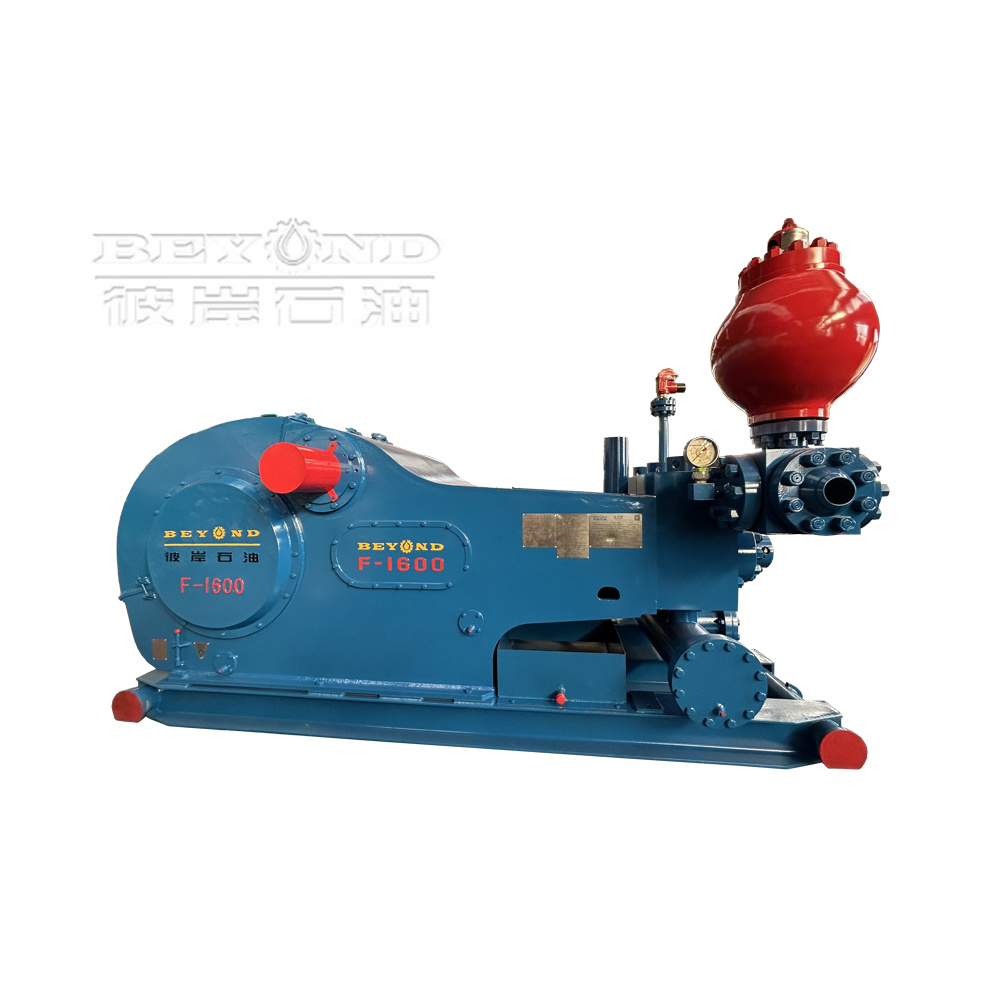
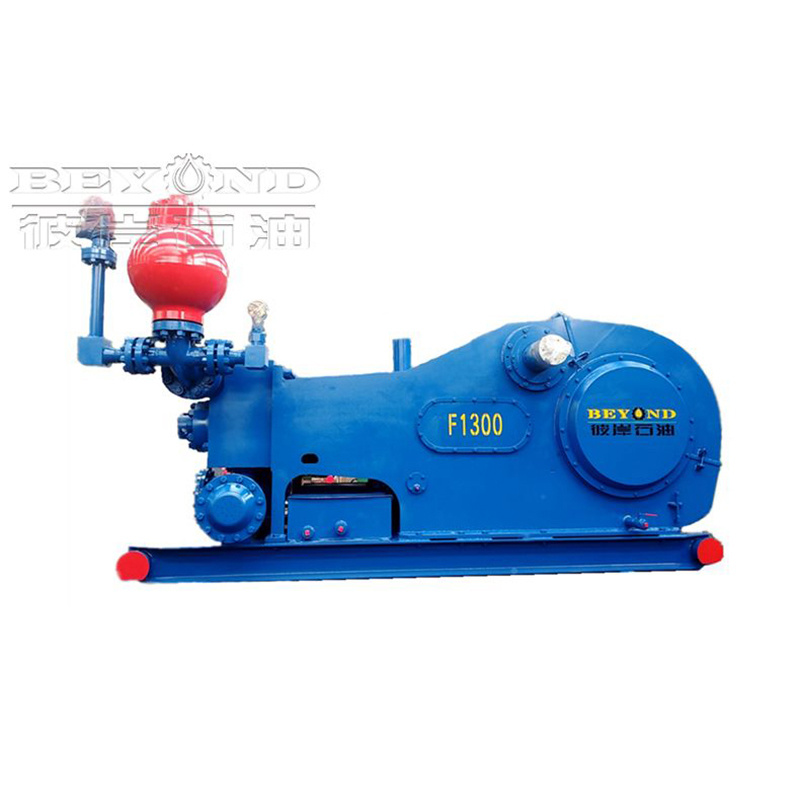
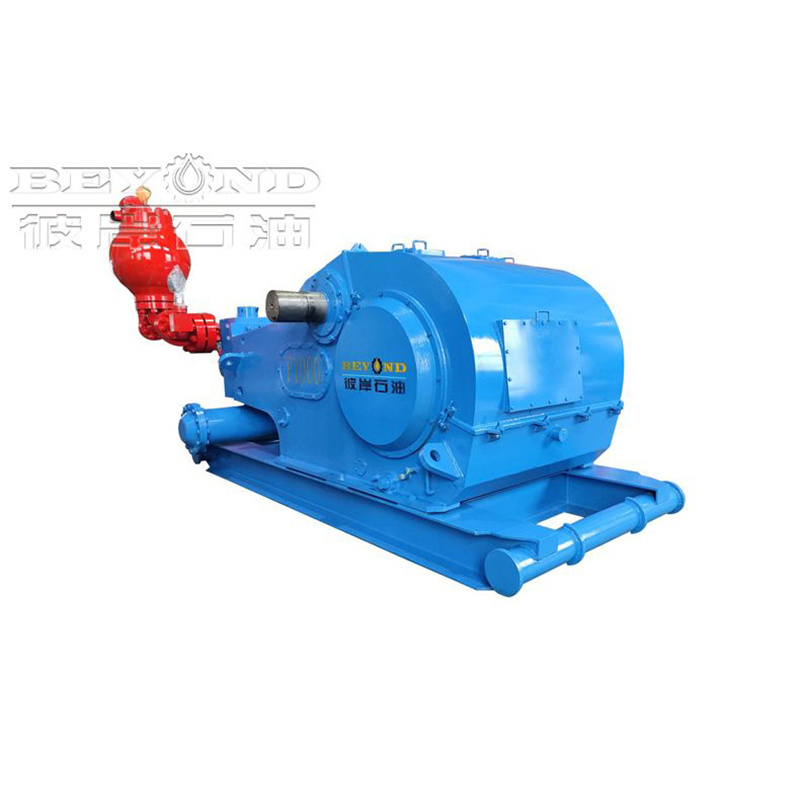
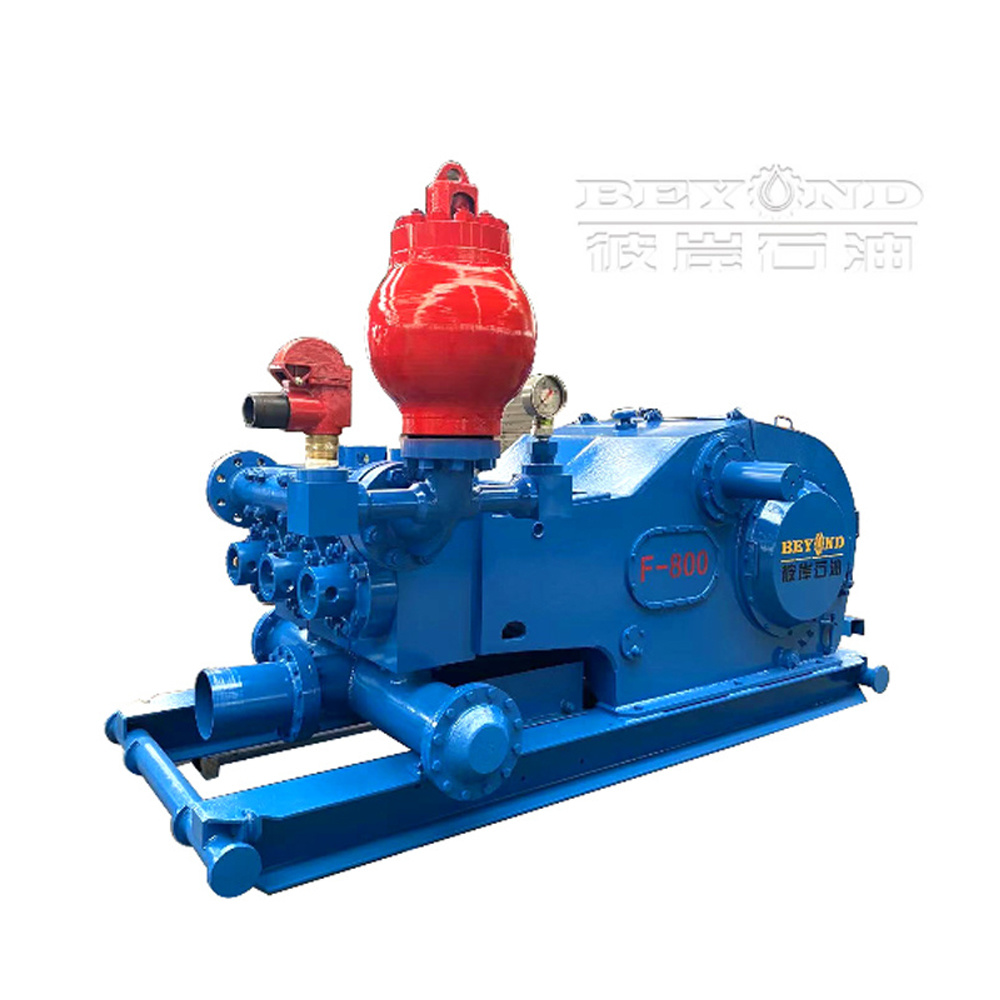
oilfield cementing unit

Beyond Petroleum Equipment
E-mail:support@sdbeyondpetro.com
Head Office: Floor 9, Haidai Fortune Plaza, East Fangongting Road, Qingzhou City, Shandong Province, China, P.C. 262500;
Branch Office: Floor 21, Fortune Center Building, No. 299 Shengli East Street, Weifang City, Shandong Province, P.C. 261041
Tel/Fax: +86-536-222 7856
Youtube
Copyright © 2022 Shandong Beyond Petroleum Equipment Co., Ltd