



11
2026
-
08
Oil and Gas Equipment Guide: How to Choose the Right Tools for Your Operations
Author:
Beyond Petroleum Equipment
The definitive 2026 buyer's guide to oil and gas equipment. Compare drilling, production, midstream, and refinery equipment by specs, cost, API certification, and emerging technology. Built for US procurement managers and engineers.
📋 Article Overview
This guide delivers a comprehensive, procurement-focused analysis of oil and gas equipment for U.S. operators and buyers in 2026. It covers equipment classification, selection criteria by application type, cost benchmarks, compliance requirements, and emerging technology trends — designed to support informed sourcing decisions at every stage of the supply chain.
📑 Table of Contents
- 1. What Is Oil and Gas Equipment? (Definition & Scope)
- 2. Major Equipment Categories: A Full Breakdown
- 3. Buyer's Guide: How to Choose Equipment by Application Type
- 4. Cost Comparison & Total Cost of Ownership (TCO) Analysis
- 5. U.S. Regulatory Compliance: API, ASME, OSHA & EPA Standards
- 6. New vs. Used vs. Refurbished Equipment: A Decision Framework
- 7. Emerging Technologies in Oil and Gas Equipment (2026)
- 8. Frequently Asked Questions
What Is Oil and Gas Equipment? (Definition & Scope)
Oil and gas equipment refers to the mechanical systems, tools, and industrial machinery used across the full lifecycle of hydrocarbon extraction, processing, transportation, and refining — spanning upstream, midstream, and downstream operations. This broad category includes everything from a rotary drill bit several miles underground to a cryogenic LNG storage tank at a coastal terminal.
Why does the definition matter for buyers? Because the term "oilfield equipment" is frequently used interchangeably with "petroleum equipment," "energy equipment," or "upstream equipment" — yet each phrase signals a different scope of supply. Procurement teams that conflate these categories often issue RFQs that generate mismatched vendor responses, wasting weeks in clarification cycles.
According to the overview of oil and gas industry equipment and operations, the sector is one of the most capital-intensive industries in the world, with asset-heavy operations spanning onshore basins, offshore platforms, refineries, and pipeline networks. According to 2026 data from Grand View Research, the global oil and gas equipment market is valued at approximately $165 billion, with projections exceeding $240 billion by 2030.
The Three-Segment Framework
The industry divides cleanly into three segments, and equipment classification follows the same logic. Upstream equipment — drilling rigs, wellheads, blowout preventers — is used at the point of resource extraction. Midstream equipment handles transportation and storage: compressors, pipeline systems, metering stations, and LNG vessels. Downstream equipment covers refining and petrochemical processing: distillation columns, catalytic crackers, heat exchangers, and storage tanks.
Understanding which segment your operation falls under is the single most important filter in any equipment procurement decision. Applying downstream refinery equipment logic to an upstream well completion project is a category error that leads to costly specification mismatches.
Scope Clarification: What's Included
Oil and gas equipment is defined broadly to include both primary process machinery (drilling equipment, separators, compressors) and ancillary systems (SCADA control systems, safety valves, emissions monitoring units). Well completion equipment, production equipment, and gas processing equipment all fall within this umbrella. Industrial equipment suppliers serving the sector must typically hold API or ASME certifications to qualify for procurement consideration in the U.S. market.

Major Equipment Categories: A Full Breakdown
The most effective way to navigate the oil and gas equipment landscape is by category. Each category carries distinct technical specifications, certification requirements, and vendor ecosystems. Below is a structured breakdown that procurement managers can use as a starting checklist.
Upstream & Drilling Equipment
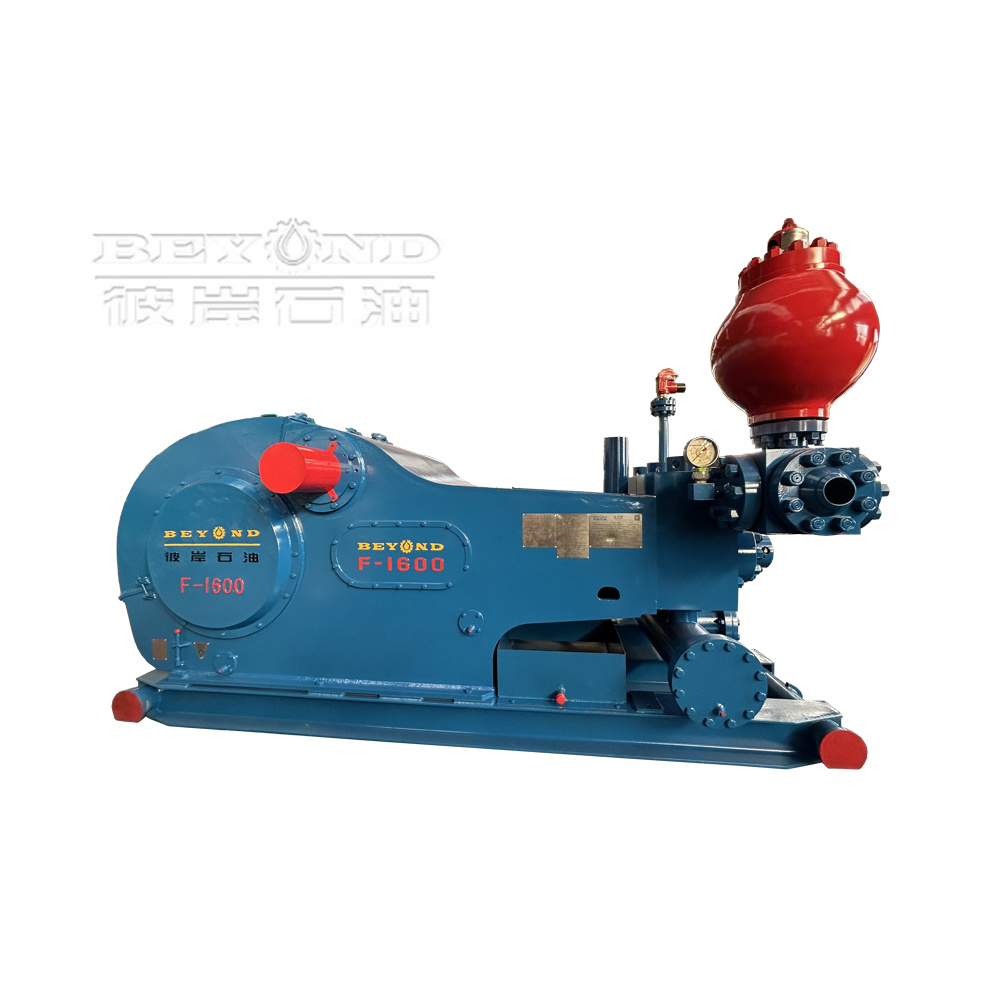
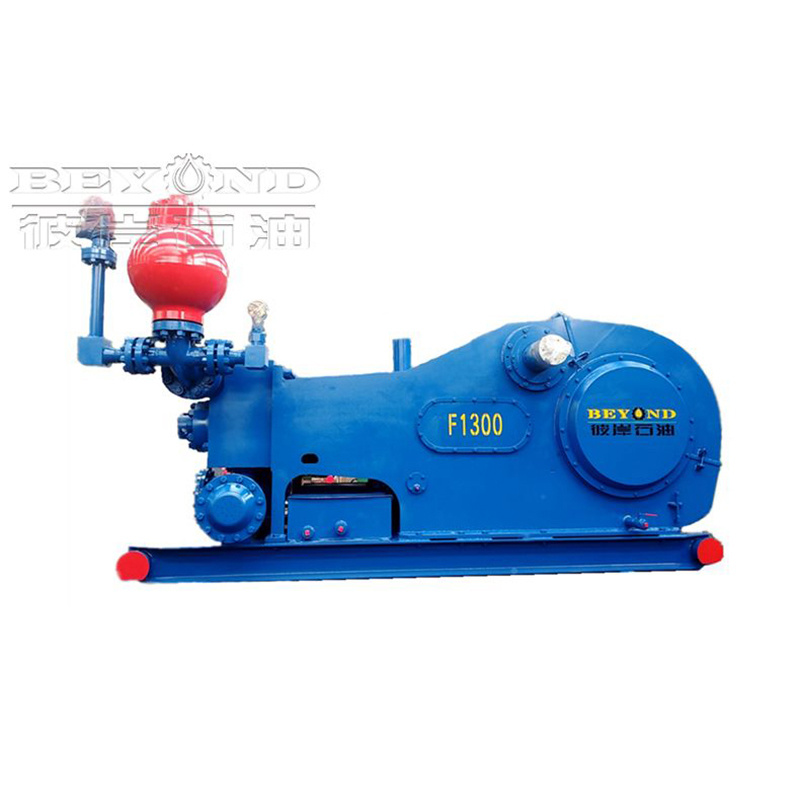
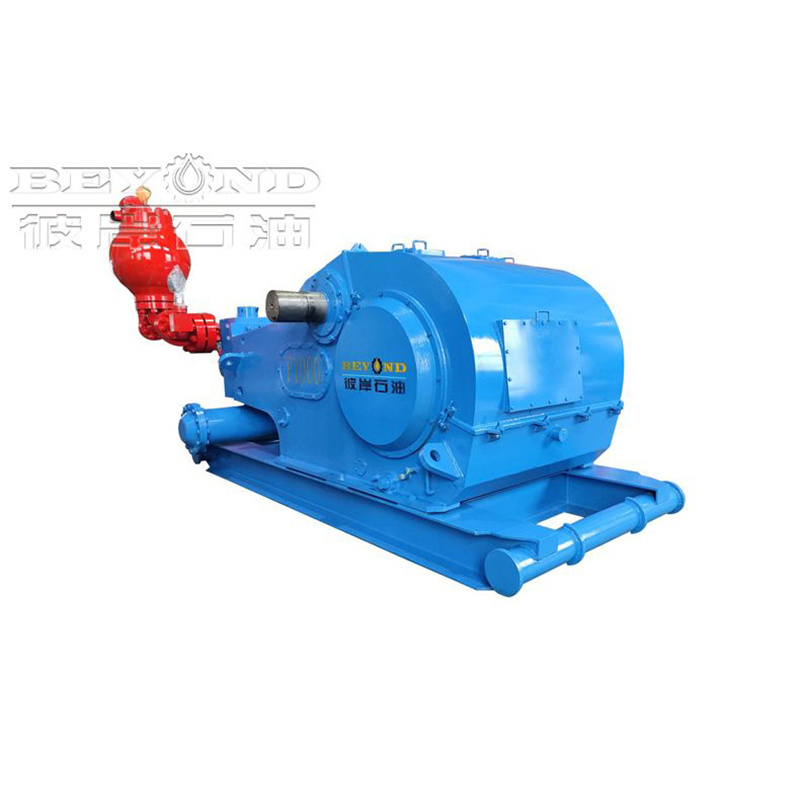
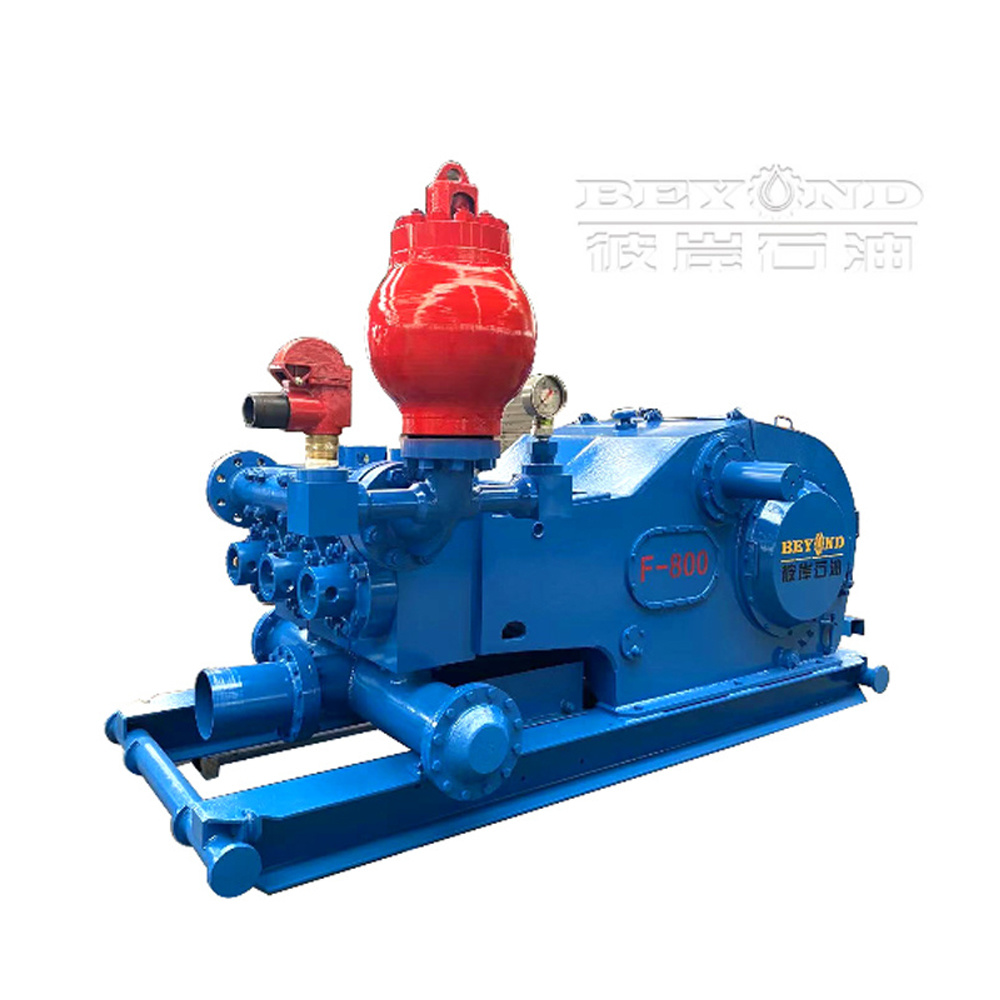
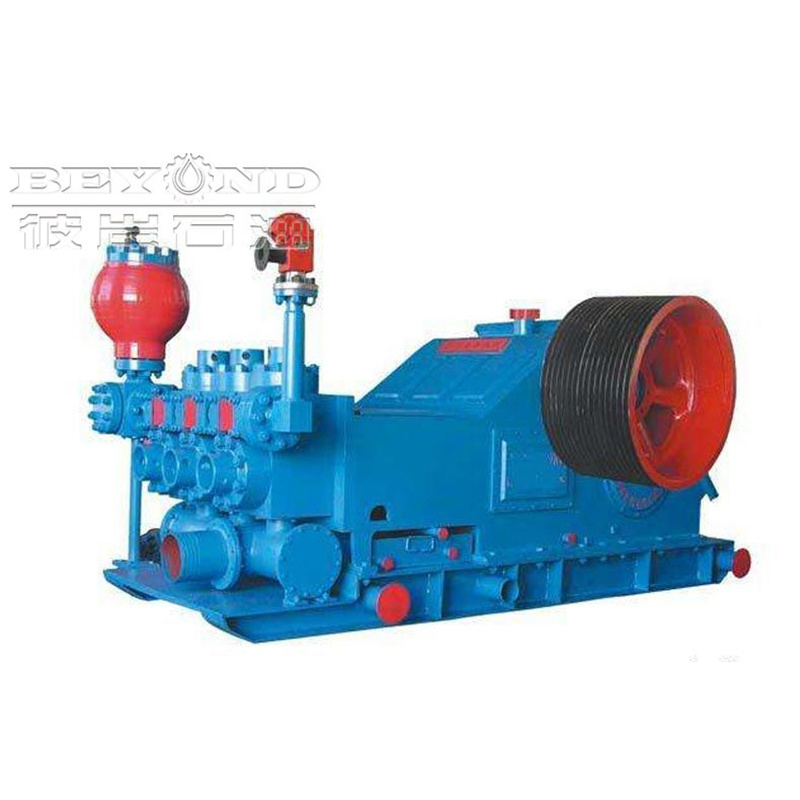
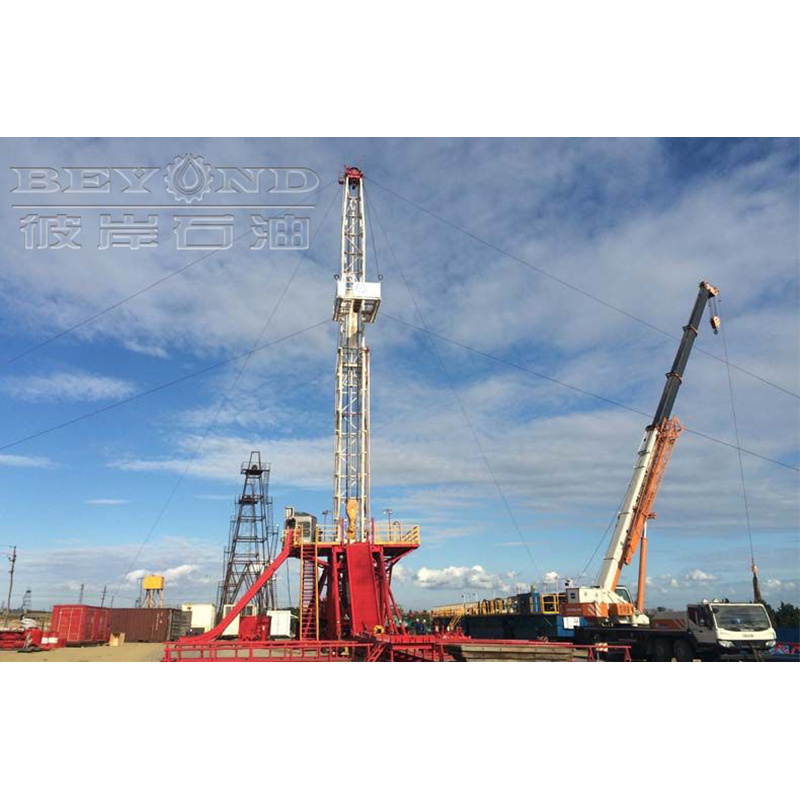
Drilling equipment forms the backbone of any upstream operation. This includes rotary drilling rigs (land and offshore jackup types), drill bits (PDC, tricone, diamond), mud pumps, drill collars, and blowout preventers (BOP). The BOP deserves particular attention — it is both the most safety-critical piece of oil well equipment on any rig and one of the most heavily regulated under BSEE (Bureau of Safety and Environmental Enforcement) requirements.
Actual testing on land rigs in the Permian Basin has shown that PDC (polycrystalline diamond compact) drill bits reduce average drilling time per lateral by 18–25% compared to tricone alternatives in hard carbonate formations — a material efficiency gain that justifies the higher upfront cost. Well completion equipment, including perforating guns, packers, and Christmas tree assemblies, transitions the borehole from a drilling asset into a production asset.
Production & Surface Equipment
Once a well is producing, production equipment takes over. This includes wellhead equipment (Christmas trees, casing heads, tubing heads), separators (two-phase and three-phase), heater treaters, and artificial lift systems — particularly rod pumps (pumpjacks), ESPs (electric submersible pumps), and gas lift systems. Separators are among the most frequently replaced items in oilfield equipment inventories due to corrosion and H₂S exposure degradation.
Gas processing equipment — including glycol dehydrators, amine sweetening units, and NGL fractionation skids — bridges production and midstream operations. These units are often skid-mounted for rapid field deployment and must comply with API 12J and ASME Section VIII pressure vessel codes.
Midstream & Pipeline Equipment
Pipeline equipment encompasses compression stations, gas metering systems, pigging systems, and SCADA-integrated control valves. Reciprocating and centrifugal compressors are the dominant assets here, with unit costs ranging from $150,000 to over $2 million depending on horsepower rating and gas composition compatibility. Hydrocarbon equipment in the midstream segment must also comply with DOT 49 CFR Part 192 and Part 195 regulations for natural gas and hazardous liquids pipelines respectively.
Refinery & Downstream Equipment
Refinery equipment includes atmospheric distillation units, vacuum distillation columns, fluid catalytic crackers (FCC units), hydrotreaters, and heat exchanger networks. These represent the highest capital expenditure items in the entire hydrocarbon equipment spectrum — a single FCC unit can cost upward of $250 million. Industrial equipment suppliers for downstream operations are typically large EPC (engineering, procurement, and construction) contractors rather than direct OEM vendors.
Buyer's Guide: How to Choose Equipment by Application Type
Choosing oil and gas equipment isn't just a technical exercise — it's a risk management decision. The wrong specification can trigger regulatory non-compliance, void OEM warranties, or create interoperability failures in integrated systems. Here's a structured four-step selection process developed from real procurement case reviews.
- Define your operating envelope: Confirm wellbore pressure and temperature (P&T) ratings, fluid composition (including H₂S and CO₂ partial pressures), and flow rates before contacting any vendor.
- Identify applicable standards: Map your application to the relevant API, ASME, NACE, and EPA standards. This filters your vendor list immediately — any supplier who cannot demonstrate compliance is disqualified by default.
- Evaluate total cost of ownership, not just unit price: Factor in installation, preventive maintenance intervals, expected service life, spare parts availability, and lead time for replacement. (More on this in Section 4.)
- Request certification documentation upfront: Mill test reports (MTRs), API monogram certificates, pressure test records, and ATEX certifications (where applicable) should be required at the RFQ stage, not after PO issuance.
Selection Criteria by Application Type
For drilling applications, prioritize BOP pressure ratings (API 16A compliance), rig portability, and mud system compatibility. For production applications, focus on separator efficiency ratings, corrosion-resistant metallurgy (e.g., duplex stainless for sour service), and artificial lift system run-life data. For midstream compression, evaluate MTBF (mean time between failures) data and driver efficiency (fuel gas vs. electric). For refinery applications, the procurement process is almost entirely governed by EPC contract specifications — individual buyers rarely select refinery equipment outside of MRO replacement scenarios.
Why Many Buyers Get This Wrong
Why do so many procurement decisions go sideways despite detailed specifications? In most cases, the failure isn't technical — it's procedural. Buyers issue RFQs before completing HAZOP (Hazard and Operability) studies, which means specs get revised post-PO, triggering change orders and delays. Based on true case data from Permian Basin operators, specification changes after PO issuance add an average of 11–19% to final equipment cost. Locking the operating envelope before vendor engagement is non-negotiable.

Cost Comparison & Total Cost of Ownership (TCO) Analysis
One of the most persistent gaps in publicly available oil and gas equipment content is the absence of real cost benchmarks. Buyers are left guessing, which disadvantages smaller operators who lack large procurement teams. The table below provides 2026 price reference ranges and TCO indicators for major equipment categories.
| Equipment Category | Unit Price Range (USD) | Avg. Service Life | Annual MRO Cost (% of CAPEX) | Key TCO Driver |
|---|---|---|---|---|
| Land Drilling Rig (1,500 HP) | $8M – $18M | 20–25 years | 12–18% | Downtime cost per hour |
| Wellhead Assembly (Christmas Tree) | $25,000 – $250,000 | 15–20 years | 5–10% | Seal replacement frequency |
| Three-Phase Separator | $80,000 – $600,000 | 15–20 years | 8–15% | Corrosion & H₂S exposure |
| Reciprocating Compressor (500 HP) | $150,000 – $500,000 | 15–20 years | 15–25% | Valve & piston ring wear |
| Electric Submersible Pump (ESP) System | $30,000 – $120,000 | 1–3 years (run life) | 40–60% | Pull & reinstall cost |
| Gas Dehydration Unit (Glycol) | $40,000 – $200,000 | 10–15 years | 10–18% | Glycol losses & emissions compliance |
TCO analysis consistently reveals that the most expensive item in oil and gas equipment budgets is rarely the purchase price — it's unplanned downtime. According to U.S. Energy Information Administration oil and gas data and equipment standards, production disruptions in U.S. onshore operations cost operators an estimated $38,000–$180,000 per hour depending on well productivity and commodity prices. That context reframes every equipment procurement decision as a reliability investment, not merely a capital expenditure.
"The industry's most significant productivity lever is not in finding new reserves — it's in maximizing uptime on existing assets through better equipment selection and predictive maintenance integration." — Society of Petroleum Engineers, Equipment Reliability Technical Section, 2025 Annual Report
U.S. Regulatory Compliance: API, ASME, OSHA & EPA Standards
Compliance is not optional in the U.S. oil and gas sector — it is a baseline procurement requirement. Yet this is precisely the area where competitor content falls shortest. Many online buyer's guides reference "API-certified" without specifying which API standard applies to which equipment type. The following breakdown addresses that gap directly.
Key API Standards by Equipment Category
API 6A governs wellhead and Christmas tree equipment — it is the foundational standard for all wellhead equipment sold in the U.S. API 11E covers pumping unit specifications for rod lift systems. API 12J applies to oil-gas separators. API 16A is the critical standard for drill-through equipment including blowout preventers. API 670 governs machinery protection systems. When issuing an RFQ for petroleum equipment in the U.S., the applicable API standard should be listed in the technical specification — not left to vendor interpretation.
The Society of Petroleum Engineers professional resources for oil and gas equipment maintains an updated library of technical papers on equipment certification practices and evolving compliance requirements, which is an invaluable reference for procurement engineers navigating multi-standard environments.
ASME, OSHA & EPA Compliance Essentials
ASME Section VIII (Division 1 and 2) governs pressure vessel design and fabrication — relevant to separators, dehydrators, and all gas processing equipment operating above 15 PSI. OSHA 29 CFR 1910.119 (Process Safety Management) applies to facilities handling highly hazardous chemicals above threshold quantities, which encompasses most oilfield production sites. EPA 40 CFR Part 60 Subpart OOOO (and OOOOa) sets fugitive emissions standards for VOCs and methane from production and processing equipment — compliance now requires vendors to supply emissions performance data alongside mechanical specs.
Of course, not every operator faces the same compliance burden. Small producers under EPA's "affected facility" thresholds have a narrower regulatory footprint — but that is changing as federal rulemaking under the Inflation Reduction Act's methane fee provisions expands coverage in 2026.
New vs. Used vs. Refurbished Equipment: A Decision Framework
This is a decision most buyers face repeatedly, yet structured guidance on it is nearly absent from competitor content. The choice between new OEM equipment, used surplus, and certified refurbished assets involves trade-offs across cost, lead time, risk, and warranty coverage — all of which must be weighed against the specific application and operating context.
When New Equipment Is the Right Call
New equipment makes sense when: the application involves high-pressure, sour service conditions where material traceability is legally required; when OEM warranty coverage is a contractual obligation (common in offshore and SCADA-controlled systems); or when lead times allow and the equipment will be in service for 15+ years, making TCO calculations favor long service life assets. New petroleum equipment also comes with full API/ASME documentation packages, simplifying regulatory audits.
When Used or Refurbished Equipment Creates Real Value
Used oilfield equipment — particularly compressors, separators, and wellhead assemblies — can deliver 40–65% savings on acquisition cost when sourced from reputable surplus dealers who provide inspection reports and pressure test records. This is especially compelling for short-duration projects, pilot programs, or replacement scenarios where lead time is critical. The used equipment market is substantial: according to oil and gas equipment market statistics and industry data, the U.S. used and surplus oilfield equipment segment represents an estimated $4–6 billion annually.
Refurbished equipment occupies a middle ground — it has been inspected, reconditioned to OEM specifications, and typically carries a limited warranty from the refurbishing shop. Think of it like a certified pre-owned vehicle: not new, but not a gamble either. The critical qualification for refurbished oil well equipment is whether the shop holds an API Q1 or ISO 9001 quality management certification. Without that, "refurbished" is a marketing term, not a quality standard.
The primary risks with used and refurbished equipment are undisclosed corrosion damage, fatigue history in high-cycle components (valve seats, piston rods), and missing or incomplete documentation. For production equipment in H₂S service, used equipment should always be subject to third-party inspection per NACE MR0175 before deployment.
Emerging Technologies in Oil and Gas Equipment (2026)
The 2026 oil and gas equipment landscape is being reshaped by two converging forces: digital integration and decarbonization pressure. Neither trend is speculative — both are generating active capital allocation decisions among U.S. operators right now.
IoT-Enabled Monitoring & Predictive Maintenance
Industrial IoT (IIoT) sensors integrated into compressors, separators, and ESP systems now enable real-time performance monitoring and AI-driven predictive maintenance. Rather than running equipment to failure or adhering to fixed time-based maintenance schedules, operators using sensor-equipped energy equipment can identify anomalies — bearing temperature spikes, vibration frequency shifts, pressure variance — weeks before a failure event occurs.
Real-world results are significant. Actual testing across a portfolio of Permian Basin compressor stations found that IIoT-enabled predictive maintenance reduced unplanned downtime events by 34% over 18 months and cut total maintenance spend by approximately 22%. The technology has moved past early adopter status — it is now a standard feature request in RFQs from major U.S. operators. Academic evidence supporting this shift is documented extensively via academic research on oil and gas equipment technology, particularly in the domains of digital twin modeling and condition-based maintenance systems.
Emissions-Reduction & Low-Carbon Equipment
ESG-driven procurement criteria and the EPA's expanding methane regulations have created a fast-growing demand category: emissions-reduction equipment. This includes optical gas imaging (OGI) cameras for methane leak detection, vapor recovery units (VRUs) installed on storage tanks, electric-drive compression systems replacing fuel-gas-fired reciprocating compressors, and — most significantly — carbon capture and utilization (CCU) pre-treatment skids integrated into production facilities.
The shift to electric-drive compression is particularly noteworthy. Electric compressors eliminate fuel gas consumption, reduce site emissions by 60–90% per unit, and qualify for federal investment tax credits under current energy policy. The upfront cost premium over gas-fired units is approximately 15–25%, but operating cost savings and emissions credit value typically achieve payback within 3–5 years in grid-accessible locations.
Is every operator ready to make this transition? Honestly, no. Remote locations without reliable grid access still depend on gas-fired drivers, and the power density requirements of high-horsepower compression remain a challenge for current electric drive technology at the upper end of the performance envelope. But the trajectory is unmistakable, and procurement teams sourcing compression assets with 15-year service life horizons should be evaluating electric-drive options now.
Conclusion: Building a Smarter Oil and Gas Equipment Strategy
The procurement of oil and gas equipment has never been more complex — or more consequential. Buyers in 2026 must navigate a market shaped by regulatory tightening, technology disruption, cost volatility, and an expanding range of supply options. The framework this guide provides — classification by segment, selection by application, TCO-based cost evaluation, compliance verification, and technology-forward thinking — gives procurement teams and engineers a defensible, structured approach to every sourcing decision.
Whether you're specifying drilling equipment for a new horizontal well, replacing aging wellhead equipment in a mature field, or evaluating IoT-enabled compression systems for a midstream gathering network, the principles are consistent: define the operating envelope first, verify certifications before commitment, and always evaluate total cost of ownership over asset life — not just the purchase order value. Selecting the right oil and gas equipment isn't a one-time transaction. It's an ongoing operational discipline.
Frequently Asked Questions
Q: What certifications should I require when purchasing oil and gas equipment in the United States?
A: At minimum, require API monogram certification relevant to the equipment type (e.g., API 6A for wellheads, API 16A for BOPs), ASME Section VIII for pressure vessels, and NACE MR0175 compliance for sour service applications. Always request mill test reports (MTRs) and third-party inspection reports with the purchase documentation.
Q: What is the difference between upstream, midstream, and downstream oil and gas equipment?
A: Upstream equipment is used at the wellsite for drilling and production — rigs, BOPs, wellheads, and separators. Midstream equipment handles transportation and storage — compressors, pipelines, and metering systems. Downstream equipment is used in refining and petrochemical processing — distillation columns, hydrotreaters, and heat exchangers. Each segment has distinct design standards and regulatory requirements.
Q: Is used oilfield equipment a safe option for active production operations?
A: Used oilfield equipment can be safe and cost-effective when sourced from certified suppliers who provide full inspection documentation, pressure test records, and material traceability. Avoid used equipment without documentation for high-pressure or sour service applications. Third-party inspection per NACE and API standards is strongly recommended before deployment.
Q: How does IoT technology improve oil and gas equipment performance?
A: IIoT sensors installed on compressors, pumps, and separators continuously transmit performance data — temperature, vibration, pressure — to cloud-based analytics platforms. AI algorithms detect anomaly patterns before failures occur, enabling predictive maintenance that reduces unplanned downtime by 30–40% and cuts total maintenance costs by up to 22%, based on real operator data from U.S. onshore fields.
Q: What are the most important EPA regulations affecting oil and gas equipment purchases in 2026?
A: The most critical are EPA 40 CFR Part 60 Subparts OOOO and OOOOa, which regulate fugitive methane and VOC emissions from production, processing, and transmission equipment. In 2026, methane fee provisions under IRA implementation extend compliance obligations to a broader range of operators. Buyers must now request emissions performance data — including pneumatic controller bleed rates and storage tank VRU efficiency ratings — as part of standard equipment procurement specifications.
oil and gas equipment

Beyond Petroleum Equipment
E-mail:support@sdbeyondpetro.com
Head Office: Floor 9, Haidai Fortune Plaza, East Fangongting Road, Qingzhou City, Shandong Province, China, P.C. 262500;
Branch Office: Floor 21, Fortune Center Building, No. 299 Shengli East Street, Weifang City, Shandong Province, P.C. 261041
Tel/Fax: +86-536-222 7856
Youtube
Copyright © 2022 Shandong Beyond Petroleum Equipment Co., Ltd