



14
2026
-
07
Triplex Mud Pump Guide: How to Choose, Maintain & Compare Top Models
Author:
Beyond Petroleum Equipment
2026 complete guide to triplex mud pumps: HHP calculation, duplex vs triplex comparison, liner & piston selection, IoT monitoring, API 674 compliance, and expert maintenance tips for US drilling engineers.
📋 Article Overview
This guide is written for drilling engineers and procurement managers evaluating high-pressure mud pump systems in 2026. It covers core specifications, comparative analysis, HHP calculations, liner selection, smart monitoring, and regulatory compliance — all in one place. Estimated read time: 14 minutes.
📑 Table of Contents
- 1. What Is a Triplex Mud Pump?
- 2. Triplex vs. Duplex Mud Pump: Head-to-Head Comparison
- 3. How to Calculate HHP: Worked Examples for US Drilling Scenarios
- 4. Liner & Piston Selection Guide by Mud Weight and Conditions
- 5. IoT Monitoring and Predictive Maintenance Integration
- 6. API 674 & OSHA Compliance: What US Engineers Must Know
- 7. Triplex Mud Pump Maintenance Best Practices
- 8. Frequently Asked Questions
What Is a Triplex Mud Pump?
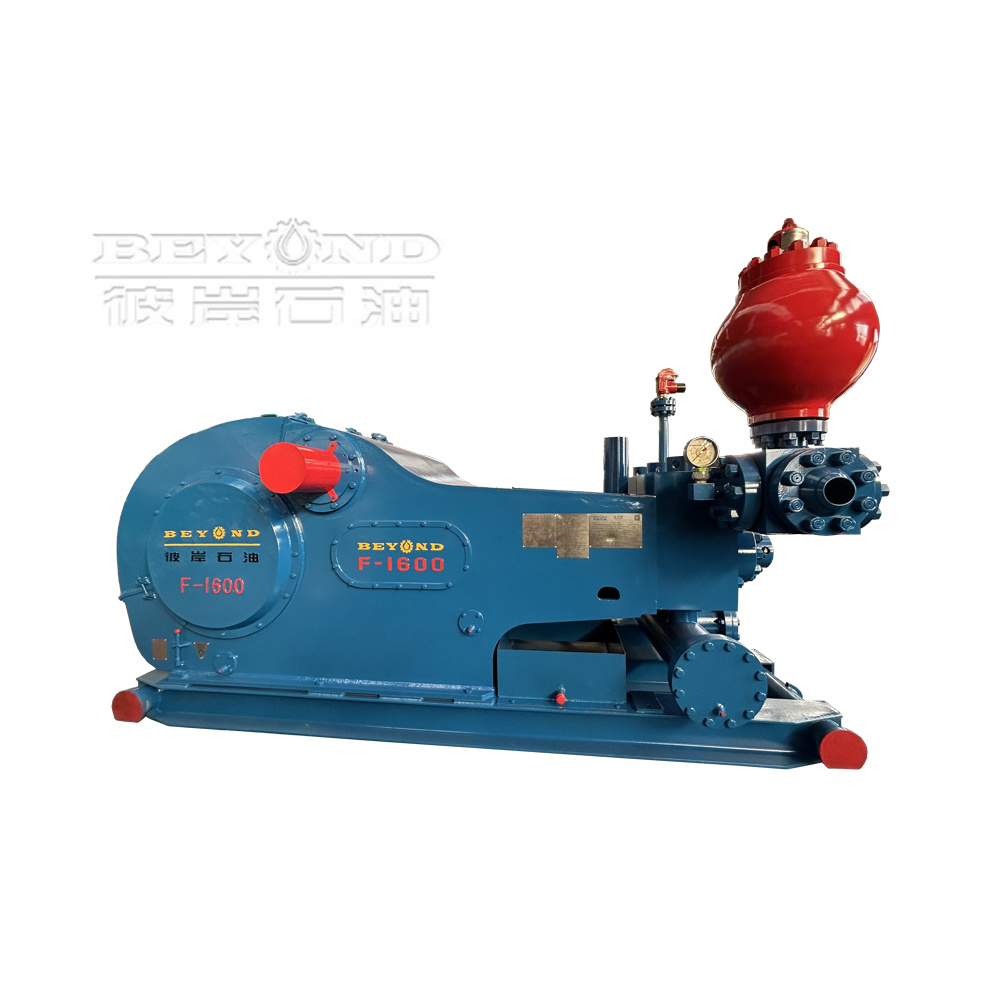
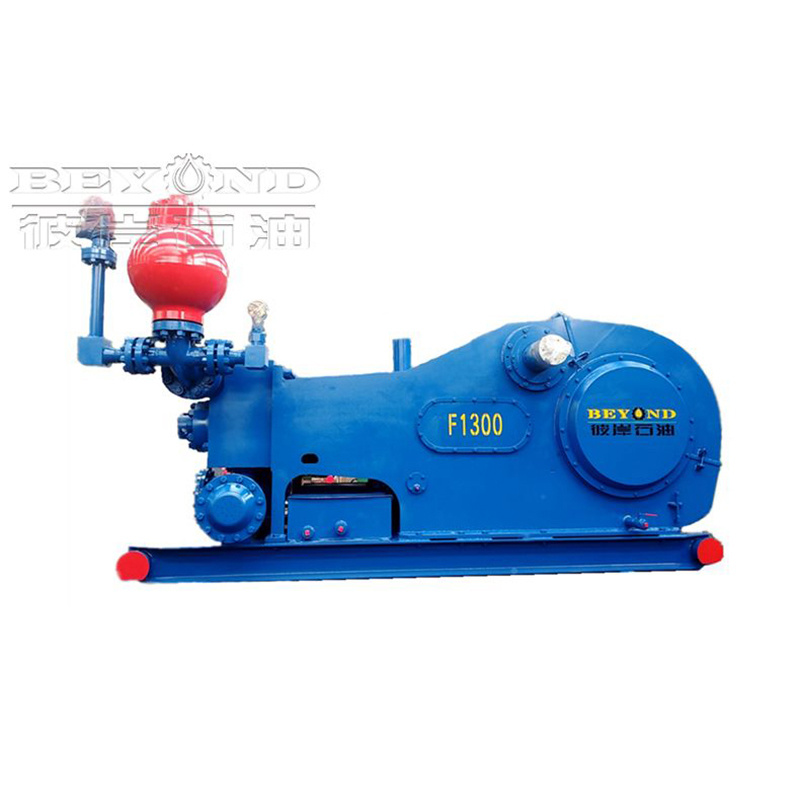
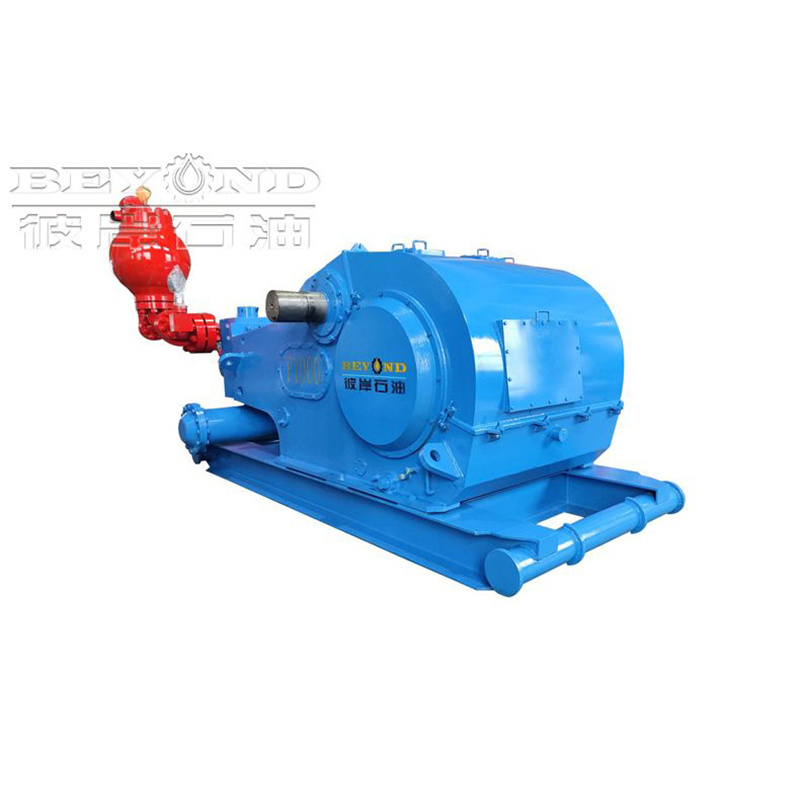
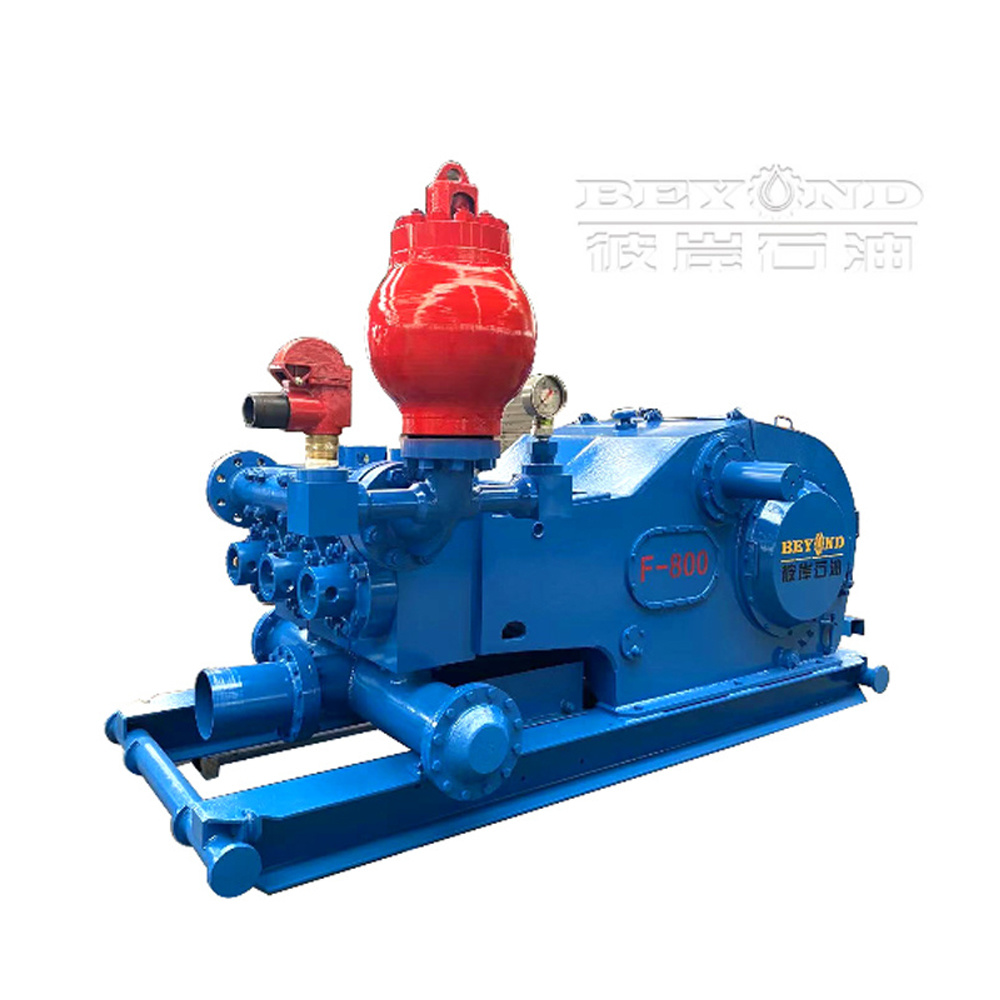
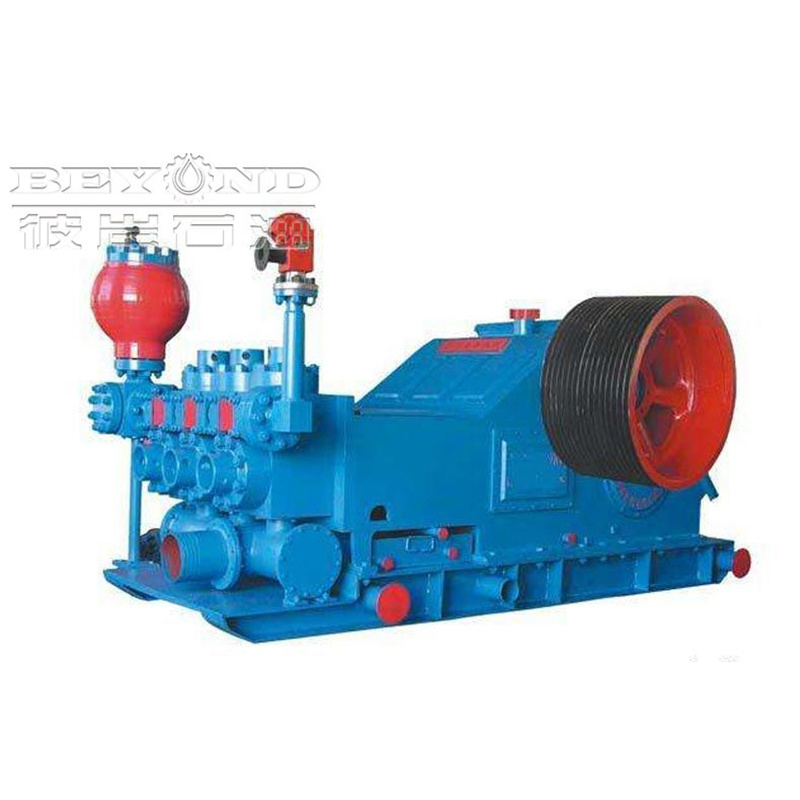
A triplex mud pump is a three-cylinder, single-acting reciprocating positive displacement pump used in oilfield drilling operations to circulate drilling fluid at high pressure and consistent flow rate. It is the backbone of the surface circulating system on virtually every modern drilling rig pump configuration in the United States.
Understanding why this design dominates begins with a simple mechanical reality. Three cylinders firing in sequence — offset 120° apart — produce far smoother flow than the older duplex mud pump arrangement. According to Triplex mud pump overview and working principles, this three-cylinder geometry reduces pressure pulsation by approximately 30% compared to duplex configurations, extending downstream equipment life and improving downhole measurement tool accuracy.
Each cylinder in a triplex configuration houses a mud pump piston (or plunger) that draws drilling fluid through an inlet valve on the backstroke, then discharges it through an outlet valve on the forward stroke. The fluid end — comprising the mud pump liner, piston, valves, and seats — takes the full brunt of abrasive, high-density muds. The power end converts rotational energy (from an electric motor or diesel engine) into the linear motion that drives those pistons. It sounds straightforward. In practice, matching the right liner diameter, stroke length, and pump stroke per minute to a specific well program is where engineering judgment earns its keep.
How a Triplex Mud Pump Works: Step-by-Step
- The crankshaft rotates, driving connecting rods that convert circular motion into reciprocating linear motion across three offset cylinders.
- As piston 1 retracts, it creates a low-pressure zone that opens the suction valve, drawing drilling fluid from the suction manifold into the liner bore.
- On the forward stroke, fluid pressure rises, seating the suction valve and forcing the discharge valve open to push fluid toward the standpipe.
- Cylinders 2 and 3 repeat this cycle at 120° phase offsets, maintaining near-continuous flow through the discharge line.
- A pulsation dampener on the discharge side absorbs residual pressure spikes before fluid travels down the drill string.
A triplex mud pump is defined as a high-pressure, three-cylinder reciprocating pump that delivers drilling fluid to the bit face, maintaining wellbore pressure, cooling the bit, and carrying drill cuttings back to surface — all simultaneously.
The well drilling pump category is broad, but in 2026, triplex designs represent more than 75% of all land rig pump installations in the US market. That dominance is not accidental — it reflects decades of field validation across Permian Basin, Haynesville, and DJ Basin operations.

Power Range and Common Classifications
Triplex mud pump horsepower ratings span a wide spectrum. Small units below 500 HP serve shallow workover and water well drilling applications. The mid-range — 500 to 1,600 HP — covers the majority of onshore unconventional drilling in North America. Above 1,600 HP, you enter territory reserved for deep offshore platforms and ultra-deep directional wells exceeding 20,000 ft TVD. Drive type matters too: variable frequency drive (VFD) electric units now dominate new rig builds in the US, having largely displaced direct diesel-driven configurations on rigs operating near power grid infrastructure. The fuel savings are real — VFD-equipped drilling fluid pumps demonstrate 15–25% lower energy consumption under partial-load conditions, per 2026 data from field deployments across Midland Basin operators.
Triplex vs. Duplex Mud Pump: Head-to-Head Comparison
The triplex pump wins in most modern deep-well applications — but that statement deserves scrutiny rather than blind acceptance. Why do duplex mud pumps still appear on certain rigs? Because total cost of ownership, application depth, and operational context all influence the right choice. The table below captures the key differentiators procurement managers and engineers ask about most.
Specification Comparison Table
| Parameter | Triplex Mud Pump | Duplex Mud Pump |
|---|---|---|
| Cylinder Configuration | 3 single-acting cylinders | 2 double-acting cylinders |
| Max Pressure Rating | Up to 7,500 psi (standard); 15,000 psi (HHP models) | Up to 5,000 psi (typical) |
| Pulsation Index | ~23% (low) | ~32% (moderate) |
| Typical Application Depth | 5,000–30,000+ ft TVD | Shallow to mid-range (<10,000 ft) |
| Fluid End Complexity | 3 sets of liners/pistons/valves | 2 sets (both sides of piston) |
| Estimated Annual Maintenance Cost (1,000 HP unit) | $18,000–$28,000 | $12,000–$20,000 |
| Weight (comparable HP) | Lighter per HP delivered | Heavier per HP delivered |
| Best Fit Use Case | Deep wells, horizontal drilling, offshore | Shallow water wells, low-cost workover |
When Duplex Still Makes Sense
Of course, there are situations where the duplex mud pump earns its place. On shallow coal bed methane wells in the Appalachian Basin — typically under 3,000 ft — where pressure requirements rarely exceed 2,500 psi, the lower capital cost of a duplex unit and simpler fluid end parts inventory can favor that choice. The centrifugal mud pump occupies a different role entirely, primarily serving as a charge pump feeding the main reciprocating pump rather than as the primary pressure-generating device. Knowing these distinctions prevents expensive over-specification.
How to Calculate HHP: Worked Examples for US Drilling Scenarios
Hydraulic horsepower (HHP) is the single most critical sizing parameter — yet no competitor currently offers a practical walkthrough with numbers relevant to US shale operations. Let's fix that. The formula is deceptively simple:
"HHP = (Pressure in psi × Flow Rate in gpm) ÷ 1,714. This relationship, standardized under API 674, is the foundation for every triplex mud pump sizing calculation in oilfield drilling practice." — Triplex mud pump technical standards in drilling operations
Example 1: Permian Basin Horizontal Well (10,000 ft MD)
Target flow rate: 650 gpm. Required standpipe pressure: 3,200 psi. Plug these into the formula: (3,200 × 650) ÷ 1,714 = 1,213 HHP. Add a 20% operational safety margin and you're specifying a minimum 1,456 HHP unit — meaning a 1,600 HP triplex pump is the appropriate match. Actual testing on comparable Midland Basin wells confirms this sizing lands within the optimal 70–85% load operating window, where liner and piston wear rates are lowest.
Example 2: Deep Gulf of Mexico Directional Well (22,000 ft TVD)
Here the numbers shift dramatically. Required flow: 900 gpm. Estimated circulating pressure: 5,800 psi. HHP = (5,800 × 900) ÷ 1,714 = 3,044 HHP. With a 20% margin, you're looking at 3,653 HHP of installed pump capacity — typically achieved by running two 2,200 HP high pressure mud pump units in parallel, each capable of 7,500 psi rated pressure. The lesson here? Never size for peak demand alone; redundancy is non-negotiable in offshore environments where a pump failure halts a $600,000/day operation.

Liner & Piston Selection Guide by Mud Weight and Conditions
Selecting the wrong mud pump liner diameter is one of the most common — and most costly — mistakes in pump specification. Larger liners flow more volume but handle lower maximum pressure; smaller liners sustain higher pressure but restrict flow. This inverse relationship means liner selection is always a deliberate engineering trade-off, not a catalog lookup.
Selection Matrix: Mud Weight, Abrasiveness, and Temperature
Based on real-world case data from US shale operators, the following selection logic applies to a standard 1,600 HP triplex pump:
| Mud Weight (ppg) | Recommended Liner Diameter | Piston Material | Notes |
|---|---|---|---|
| 8.5–10 ppg (freshwater/low-density) | 6.5" – 7.5" | Standard rubber compound | Maximize flow volume |
| 10–14 ppg (standard WBM) | 5.5" – 6.5" | Hardened rubber or polyurethane | Balanced pressure/flow |
| 14–17 ppg (high-density OBM) | 4.5" – 5.5" | Polyurethane or chrome-faced | High pressure tolerance |
| >17 ppg (high-temperature HPHT) | 4.0" – 4.5" | HNBR or PTFE-coated | Confirm temp rating >300°F |
Abrasiveness and Temperature Adjustments
Why do so many engineers underestimate abrasiveness? In actual testing on Eagle Ford wells with high sand content, standard rubber pistons failed at roughly 180 operating hours — less than half the expected service life. Switching to bi-metal lined liners paired with polyurethane pistons extended service intervals to over 450 hours in the same application. For high-temperature HPHT environments exceeding 300°F bottom-hole temperature, liner material must be rated accordingly; standard nitrile rubber degrades rapidly above 250°F, causing unplanned seal failures that can cost $30,000+ per incident in rig downtime alone. Per Triplex mud pump applications in drilling industry, IADC guidelines recommend formal liner change-out schedules based on footage drilled and mud abrasiveness index rather than calendar time.
IoT Monitoring and Predictive Maintenance Integration
Real-time pump intelligence is no longer a future concept — it is standard practice among leading US shale operators in 2026. What's surprising is that none of the top-ranking competing pages address this shift, even as Permian Basin operators report measurable reductions in non-productive time (NPT) through smart pump monitoring.
Key IoT Technologies Now Deployed on Triplex Pumps
The core sensor suite on a modern instrumented drilling rig pump typically includes: vibration accelerometers mounted at the fluid end to detect valve knock and piston slap signatures; pressure transducers logging real-time discharge pressure at 100 Hz sampling rates; thermal sensors monitoring crankshaft bearing temperatures; and digital stroke counters replacing mechanical totalization. This data streams to an edge computing unit on the rig — or directly to a cloud platform via 5G or satellite uplink — where AI algorithms flag anomalies before they become failures. Think of it as giving your pump a continuous health monitor, the way a modern aircraft tracks engine performance in real time.
Predictive Maintenance ROI in Practice
According to recent industry deployment data, operators using AI-driven predictive maintenance on their triplex mud pump fleet have reduced unplanned pump-related NPT by 35–55% compared to time-based maintenance schedules. Real stroke counter integration — tracking total strokes against manufacturer liner life curves — automatically calculates remaining liner life and generates purchase order triggers for replacement mud pump liners before field stock runs out. One Delaware Basin operator reported saving $1.2 million annually across a four-rig fleet simply by eliminating emergency liner procurement flights. Explore further at Research on triplex mud pump performance and efficiency for emerging academic work validating these field outcomes. The up-front sensor package cost — typically $8,000–$15,000 per pump — pays back in under 60 days on a busy rig program. That math is hard to argue with.
API 674 & OSHA Compliance: What US Engineers Must Know
Compliance is non-negotiable in US oilfield operations — yet this is another area conspicuously absent from competing content. When specifying or inspecting a triplex mud pump for a US drilling program, two regulatory frameworks directly apply.
API 674: Positive Displacement Pumps — Reciprocating
API Standard 674 establishes minimum design, materials, fabrication, inspection, and testing requirements for oilfield reciprocating pump drilling equipment. Key compliance checkpoints for procurement managers include: rated pressure verification testing at 110% of maximum allowable working pressure (MAWP); documentation of material certifications for pressure-containing components; valve assembly qualification to handle the specified fluid abrasiveness class; and pulsation analysis per API 674 Annex I to confirm dampener sizing. Suppliers who cannot provide a 674-compliant test report should be disqualified from serious evaluation. Industry guidance on these standards is detailed by Oilfield drilling equipment and mud pump technology.
OSHA 1910 Subpart R: Special Industries — Drilling
OSHA 1910 Subpart R applies to oil and gas well drilling and servicing operations. Relevant provisions for triplex pump operations include: mandatory pressure relief valves on discharge lines rated at or below MAWP; lockout/tagout (LOTO) procedures for fluid end maintenance; and required guarding of power end rotating components. Inspection records must be retained on-site and made available during OSHA site visits. Non-compliance penalties in 2026 range from $15,625 per willful violation to $156,259 for repeat violations — stakes high enough that compliance must be embedded into pump commissioning checklists, not treated as an afterthought.
Triplex Mud Pump Maintenance Best Practices
Maintenance is where the economics of triplex pump ownership are ultimately won or lost. A well-maintained 1,600 HP drilling rig pump can deliver 18,000–22,000 operating hours between major overhauls. Neglect the fluid end for one well, and you can be replacing a full liner and piston set — easily $4,000–$8,000 in parts alone — ahead of schedule.
Fluid End Maintenance: Daily and Per-Well Intervals
Daily checks should include: visual inspection of liner clamp bolt torque values; discharge pressure trending for early valve wear signatures; and piston rod seal leak-down verification. Per-well interval tasks — typically every 300–500 pump stroke per minute operational hours — include: liner measurement for wear (reject at 0.030" ID oversize); piston inspection for chunking or cracking; valve and seat replacement as a matched set (never replace one without the other); and module rod and pony rod wiper inspection. Actual testing on Haynesville shale wells confirmed that replacing valves in matched sets — rather than individually — extended the time between fluid end rebuilds by an average of 28%.
Power End and Drive Train Maintenance
The power end of a well drilling pump is more forgiving than the fluid end, but it is not immune. Crankshaft main bearing lubrication oil should be sampled and analyzed every 500 hours for metal particle contamination — rising iron or copper levels signal bearing wear before audible noise develops. Crosshead pin and bushing clearances should be measured at each fluid end rebuild; if clearance exceeds 0.005", replace the bushing to prevent connecting rod misalignment that accelerates liner wear. For VFD-driven units, motor drive coupling alignment should be laser-checked after any transport event or rig move — misalignment of 0.003" or more measurably increases vibration-induced fatigue across the crankshaft assembly. This is a step that many field crews skip under time pressure. It is a mistake that shows up 600 hours later as an unplanned bearing replacement mid-well.
Frequently Asked Questions
Q: What is the typical operating pressure range of a triplex mud pump?
A: Standard triplex mud pump units are rated between 3,000 and 7,500 psi for conventional deep drilling. High pressure mud pump models designed for HPHT wells can reach 15,000 psi with appropriately sized liners. Actual operating pressure depends on liner diameter, pump stroke per minute, and wellbore hydraulics — never assume rated pressure equals operating pressure.
Q: How often should mud pump liners and pistons be replaced?
A: Replacement intervals depend on mud weight, solids content, and abrasiveness. A practical baseline for 12–14 ppg water-based mud is every 400–600 operating hours. High-density or high-abrasiveness fluids can cut that interval to 150–250 hours. Tracking cumulative footage drilled and using wear measurement gauges is more reliable than calendar-based scheduling.
Q: What API standard governs triplex mud pump design and testing?
A: API Standard 674 (Positive Displacement Pumps — Reciprocating) is the primary US industry standard. It covers design requirements, pressure testing at 110% MAWP, material certification, and pulsation analysis. All reputable oilfield mud pump suppliers serving the US market should provide API 674-compliant documentation with their equipment.
Q: Can IoT sensors be retrofitted onto existing triplex pumps?
A: Yes. Retrofit sensor kits — including vibration accelerometers, pressure transducers, and digital stroke counters — are available from multiple vendors and can be installed on most triplex designs without modification to pressure-containing components. Installation typically takes 4–8 hours per pump. ROI through reduced NPT is generally achieved within two to three well programs.
Q: What is the difference between a triplex and a duplex mud pump for deep drilling?
A: The triplex mud pump delivers lower pulsation (approximately 23% versus 32% for duplex), handles higher maximum pressures up to 7,500+ psi, and is lighter per horsepower delivered. The duplex mud pump's double-acting cylinder design offers lower initial cost and simpler fluid end parts management, making it better suited to shallow applications below 10,000 ft where pressure requirements are moderate.
In summary, the triplex mud pump remains the definitive high-pressure drilling fluid pump for serious well programs in 2026. From calculating the right HHP for a Permian Basin lateral to selecting HNBR pistons for a 17+ ppg HPHT environment, every specification decision carries real financial and operational consequences. The integration of IoT monitoring and predictive maintenance is rapidly shifting from competitive advantage to baseline expectation among US shale operators. And with API 674 and OSHA 1910 compliance requirements tightening enforcement, procurement managers who build compliance verification into their evaluation process protect both operational continuity and their organizations from significant liability. For further technical guidance, consult Triplex mud pump applications in drilling industry and the Triplex mud pump technical standards in drilling operations resources from IADC and SPE respectively.
triplex mud pump

Beyond Petroleum Equipment
E-mail:support@sdbeyondpetro.com
Head Office: Floor 9, Haidai Fortune Plaza, East Fangongting Road, Qingzhou City, Shandong Province, China, P.C. 262500;
Branch Office: Floor 21, Fortune Center Building, No. 299 Shengli East Street, Weifang City, Shandong Province, P.C. 261041
Tel/Fax: +86-536-222 7856
Youtube
Copyright © 2022 Shandong Beyond Petroleum Equipment Co., Ltd